


![Key Factors To Inspect Before Scheduling[1] Commercial AC Repair Service](https://cloudnexuslab.com/wp-content/uploads/2026/01/Clean-Construction-Strategies-to-Prevent-Pollution-on-Site-150x150.jpg "Clean Construction: Strategies to Prevent Pollution on Site")


Six food facts for life discussed in this article show how students can maintain energy and focus throughout the day. Applying these healthy food facts for life helps students make simple dietary choices that improve productivity and overall well-being.
Why do some students stay active and focused from morning to evening, while others feel tired before midday? The reason often lies in knowing the food facts for life every day. Energy is not only about how much food students eat. It also depends on what they eat and when they eat it. Students manage long lectures, study hours, and social life. All of these activities require steady physical and mental energy.
Many students depend on caffeine or fast food to get through the day. These options give quick energy but often cause sudden crashes later. Understanding how food fuels the body and brain is a smarter approach. When students learn basic food facts, they can make better choices without strict diets or high costs. Backed by senior researchers at The Academic Papers UK, a top essay writing service based in London, this article breaks down six food facts for life that help you stay productive from morning to evening.
Here is Something Important to Learn:
- Food facts for life can also help students understand how their daily food choices affect their energy and learning abilities throughout the day.
- Using food as a fact-of-life resource for teachers helps in the organisation of nutrition classes that encourage students to eat healthy.
- The free food and nutrition education materials are available at Access to free food and nutrition education materials in the UK.
- Sharing fun food facts with children maintains the occupancy rate of younger students as they construct their early exposure to healthy food choices.
- Nutrition education promotes the lifelong habits that result in improved academic performance and well-being.
6 Energy-Sustaining Food Facts for Students
These food facts for life are grouped by function for better understanding and long-term recall. Each section explains why the food matters and how students can use it in daily life.
1. Breakfast Sets Your Energy Rhythm
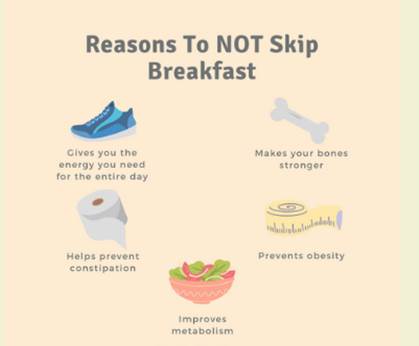
Breakfast is an important food fact for a healthy life. Breakfast plays a vital role in a student’s daily routine. After spending a long night without food, the body feels the urge and needs fuel to restart the function of the brain and muscle activity. Eating the breakfast helps the students to feel alert and ready to learn with focus. It also helps to maintain the rhythm of energy throughout the day. Students who eat breakfast often feel more balanced during their classes and their study hours.
Effects of Skipping Breakfast?
Skipping breakfast or choosing sugary foods can reduce your physical and mental performance. Sweet cereals and sugary drinks can trigger the level of your blood sugar very quickly. This phenomenon creates a short burst of energy followed by a sudden drop. Students should feel tired, unfocused or irritated before midday. This sensation makes it harder to follow lectures or complete tasks.
How Does a Balanced Breakfast Help?
A healthy breakfast consists of protein, fibre and complex carbohydrates. Protein supports the function of the brain and makes your muscles stronger. Fibre also helps slow digestion and keeps energy levels stable. Complex carbohydrates release energy gradually. Together these nutrients help to prevent sudden energy loss and improve concentration.
The Harvard Health Publishing study shows that students who eat a balanced breakfast perform way better at memory and learning tasks compared to those who skip their breakfast. This research highlights the importance of taking nutrition in the morning for academic success.
2. Protein Keeps You Full and Focused Longer
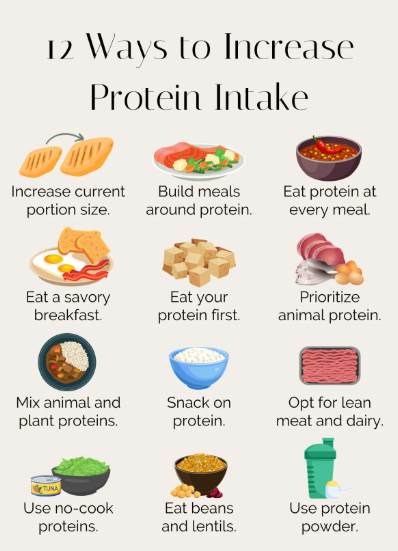
Taking protein daily is a hidden food fact for a healthy life. Protein plays a powerful role in regulating daily energy levels. It is not only linked to the strength of muscle but also helps to support mental focus and a well-balanced appetite. Protein slows digestion, allowing food to stay in the stomach longer. This process helps release energy steadily and prevents sudden drops in energy level throughout the day.
Protein and Student Focus
For many students, hunger is a common distraction. When hunger strikes during lectures or long study sessions, staying focused becomes difficult. Protein helps students feel full for longer and supports better attention. It also plays a momentous role in neurotransmitter production, which supports alertness and clear thinking during academic tasks.
Low-Protein Meals and Energy Crashes
If meals lack enough protein, it often leads to quick tiredness. Students should not feel the need to snack frequently, especially on sugary or processed foods. This protein cycle causes spikes in energy followed by crashes. Adding a protein to meals reduces cravings and supports more stable levels of energy throughout the day.
An NIH study indicates that high intake of protein improves satiety and helps to maintain stable levels of energy and cognitive performance during long working hours. This research shows the importance of protein intake for students.
3. Complex Carbohydrates Provide Long-Lasting Energy
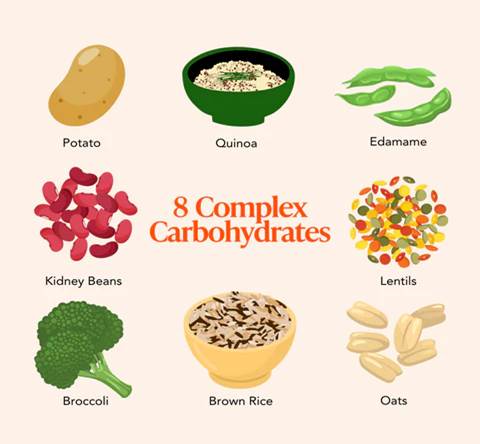
Complex carbohydrates provide a long-lasting energy and are another secret food fact for life. Carbohydrates are considered the main fuel source for the body and the brain. For students, they play a key role in learning the process of memory and improving daily stamina.
It is necessary to consume the right type of carbohydrates. Choosing a complex carbohydrate helps to support a constant energy level and also maintain mental clarity throughout your busy day.
Simple Carbohydrates and Energy Crashes
Simple carbohydrates quickly break down in the body. Foods such as white bread, white sweets, and added sugar cause a rapid rise in blood sugar levels. Fatigue and strong cravings often follow such a quick boost. Students should feel tired soon after eating and struggle to stay attentive in their class lectures.
Benefits of Complex Carbohydrates
Complex carbohydrates contain fibre, which slows digestion. This enables energy to be released gradually and helps maintain a stable blood sugar level. As a result, students should experience longer lasting energy and improve their physical endurance. These foods support a consistent performance during the class lectures, study sessions and exams.
A Wiley Online Study shows that diets rich in complex carbohydrates are linked to improvements in cognitive function and sustained energy levels during long periods of mental activity.
4. Healthy Fats Support Brain Energy
Students often misunderstand the food facts for life about fat. They think that fat diminishes energy or causes weight gain. The key point is that healthy fats are essential for long-term energy and better mental performance. When fat is consumed in the right form, it supports daily stamina and overall academic productivity. A healthy diet plays a significant role in correlational research because it serves as an important variable to identify the statistical relationships with various health and lifestyle outcomes.

Fats and Brain Function
The brain is largely composed of fat and depends on it for proper function. Healthy fats help build and protect the structures of brain cells. They also support strong communication between brain cells. This improves the focus and mental endurance during their long study hours.
Energy Stability and Digestion
Healthy fats help slow digestion and keep blood sugar levels stable. This process helps to reduce the sudden energy drops and supports the consistent stamina throughout your academic day. A Diva Portal study shows that omega-3 fatty acids improve cognitive performance and reduce mental fatigue in students.
5. Iron-Rich Foods Prevent Energy Slumps
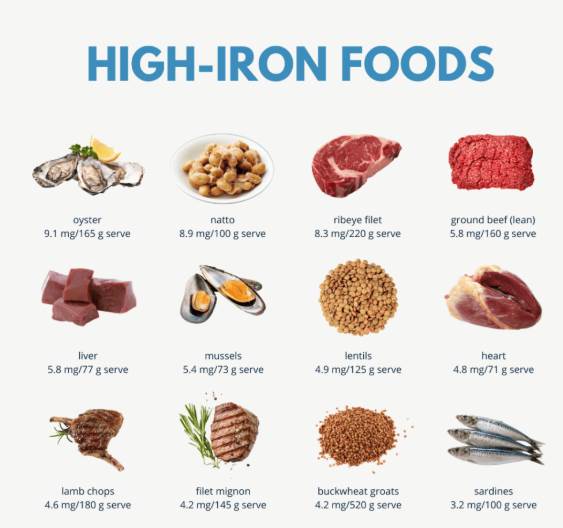
Daily intake of iron is another important food fact for a healthy life. Iron is a vital mineral for daily energy and overall performance. It helps the body produce haemoglobin, which carries oxygen through the blood from one part of the body to another.
Oxygen is needed for muscle growth and brain function. When oxygen delivery is low, the body feels weak and tired. This phenomenon makes iron intake essential for students who maintain long study hours and active routines.
Iron Deficiency in Students
Iron deficiency is common among students, especially young women and those who follow vegetarian diets. Common signs of iron deficiency include constant tiredness, weakness, shortness of breath and poor focus. Many students ignore all these symptoms and assume they are caused by stress or lack of sleep.
Impact on Academic Performance
Low levels of iron reduce the body stamina and mental alertness. Even a mild deficiency can affect your memory and the speed of learning. Students find it difficult to stay focused during their lectures and feel exhausted earlier in the day. The right amount of iron intake can improve both energy and academic productivity
A ScienceDirect study indicates that improving iron status in young adults leads to better brain performance and reduced fatigue. This research shows the importance of iron for learning and daily energy for students.
6. Micronutrients Matter More Than Students Think
Micronutrients are also an essential food fact for life. Many students should focus only on the calories or macronutrients. Vitamins and minerals work well in the working mechanism of the body, but show a strong effect on energy and brain performance. Without sufficient micronutrients, the body cannot efficiently use the food. The result is a low level of energy and reduced mental focus.
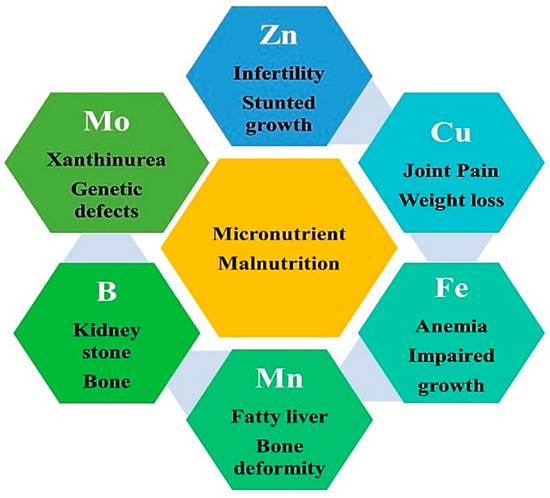
Role of Key Vitamins and Minerals
Vitamins also help in converting the food into usable energy for the body and the brain. When these vitamins are low in consumption, students should feel tired even after eating well. Magnesium supports muscle relaxation and healthy sleep. Zinc plays a significant role in memory and the strength of the immune system. Together these nutrients support daily stamina and mental clarity.
Effects of Micronutrient Deficiency
Vitamin deficiencies trigger fatigue and reduce focus. As a result, your mood shifts and illness become more frequent. Consequently, your academic performance drops and your motivation weaken. You find it harder to stay attentive in class.
Meanwhile energy levels remain low throughout the day. When class work increases, the pressure rises further and grades can decline. At this point, best essay writing services provide reliable support. Therefore, you stay consistent with studies while protecting your health.
Conclusion
Eating more food is not necessary to stay active throughout the day; rather, it is the right food. These six food facts for life show how daily choices influence mental performance and energy focus. A well-balanced breakfast sets the tone for the day, and protein helps strengthen focus and boost cognitive performance. Complex carbohydrates help to provide long-term energy, while the healthy fats help to maintain the activity of the brain.
Iron promotes the exchange of oxygen and reduces fatigue, whereas the vitamins and minerals help the body to extract energy from what it consumes. When students understand the fundamentals, they can avoid the crashes in energy level and loss of focus. Minor changes, such as eating whole foods and balanced meals, can have a powerful impact on students’ health. These activities improve the mood of students and increase their productivity level. Students who use this food facts will be able to handle long days at school with greater stamina and confidence.
Frequently Asked Questions About Food Facts for Life
How Has Food Changed from Ancient Times to Today?
Ancient food was simple and consisted of what could be grown locally or hunted. The majority of the meals were fresh and seasonal, including grains, fruits, vegetables, and natural proteins. There were only minimal processing and no packaged food.
Food has become more diverse and widespread as a result of agricultural technology and food preservation. Fast and processed foods are common, and while convenient, they are not always nutritious. Contemporary diets are more diverse, but they must be carefully chosen to remain healthy and energetic.
Should Students Eat Snacks Before Tests?
Yes, students should eat light and healthy snacks before tests. A snack is an excellent source of energy for maintaining blood sugar levels and nourishing focus and memory. Not eating may lead to hunger and reduced concentration during the examination. Snacks should preferably consist of nuts, fruit yoghurt, or whole grains.
These provide even, sustained energy without making you feel heavy and diabetic. Snacks should be avoided because they can reduce alertness if they are too heavy or high in sugar content. The right snack can boost confidence and mental performance during a test.


