

For logistics and processing throughout almost every B2B sector of activity, automation has become vital. Pneumatic fittings, while small and seemingly banal, are crucial for the functioning of the components of machines as well as the equipment and automation systems. As modern automated systems operate, there is a constant demand for compressed air to be supplied and distributed. When the compressed air is supplied, the automation parts are more efficient, and the equipment operates at a higher level of safety and extended use.
This is why the current paper examines the elements of automated systems, the increasing use of fittings, the safety and dependability they provide, as well as the small parts’ design and purpose in B2B industries, covering the entire industry’s use cases. This range of coverage will offer a competitive edge to the company, along with advice on how to select the best fittings supplier.
The Importance of Fittings in Automation
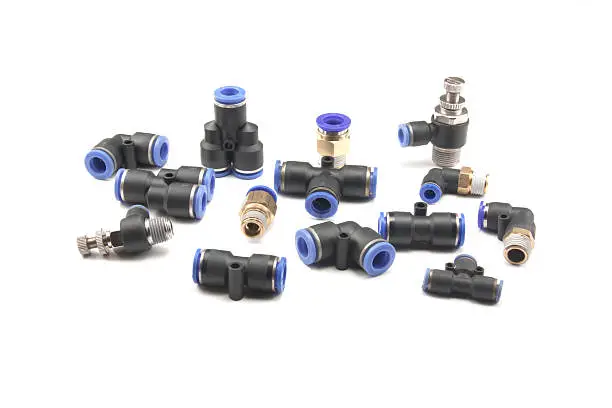
Pneumatic fittings associate various parts of the air powered automation systems: valves, cylinders, tubing, and compressors. They provide a pressurized seal, essential for machines to operate, maintaining the needed pressure to avoid leaks or device collapse.
In the realm of manufacturing, packaging, food processing, and logistics, the importance of pneumatic fittings go beyond mere accessories and are vital for safety and dependability in operations. If the fittings are not well designed, costly downtime and compromised safety from leaks and pressure loss are unavoidable.
When B2B companies buy automation parts, they are paying for system dependability, lower upkeep expenses, and less liability in regard to industry safety norms.
Advantages of Durable Pneumatic Fittings in B2B Contexts
B2B companies can acquire pneumatic fittings for the many advantages they offer, with dependability and safety being the focus. Some of the key benefits include:
Elimination of Leaks
Poorly designed fittings can compromise system phi{encial safety efficiency, and result in wasted energy, and downtime.
Stricter Safety Regulations
Fittings limit the chances of hose disconnects, pressure spikes, and other uncontrolled air release issues. If the connections are stable, there is less risk of safety hazards for the workers and the equipment.
Enhanced Equipment Service Life
Fittings made of the best materials have better chances of withstanding corroding, temp extremes, and general pneumatic system wear. This is beneficial as the entire pneumatic system will have a better service life as well.
Operational Efficiency
Seamless integration ensures reliable fittings which enhances the precision delivery of air to the custom pneumatic cylinders, valves, actuators, and automation processes needing smooth and precise motion control. This also enhances motion control for smooth and precise automation processes.
Lower Maintenance Costs
The resilient design of pneumatic fittings minimizes the frequency of replacements and minimizes the need for unplanned servicing which in turn helps improve the system uptime and drives cost efficiency in B2B companies.
Safety Considerations in Pneumatic Systems
With the benefits of automation technologies, B2B companies face new challenges the incorporation of pneumatic systems brings, especially if they are not properly fitted or maintained. Below are the common safety issues associated:
Pressure Ratings
Inappropriate fittings can blush and create dangerous pressure bursts if they are not reinforced properly with the maximum operating pressure for the system.
Material Selection
Certain industries such as food and pharmaceutical processing need fittings that avoid contamination and meet hygienic requisites, whilst in the hard industries, metals that are unsafe need to be avoided for better long-term results.
Connection Security
The loopholes in safety requirements can create dangerous negligence if proper care is not taken to ensure troops and securing engineered washers, inefficient non-escape systems or non-disconnecting fittings that can cause leakage.
Compatibility with Automation Controls
Modern systems need inputs from sensors and control systems. Fit all accessories for easy and exact air fitting with automated safety functions such as pressure relief and emergency shut off valves.
Also, consider that the pneumatic fittings improve safety at the workplace as well as meeting the regulatory requirements for different industries.
Applications of Pneumatic Fittings Across Industries
Pneumatic fittings are integral components of diverse, multilayered B2B industries. Their market versatility reinforces them as cornerstones of automation technology. Some of the common industrial uses are as follows.
Automotive Manufacturing
Pneumatic fittings connect actuators, welding systems, and robotic arms within assembly lines, supporting the FCS of the production system. Their reliability enhances precision movement optimally in mass production settings.
Food and Beverage Processing
Hygienic-grade pneumatic fittings can resist common cleaning cycles with moisture and the safe handling of ingredients in packaging and bottling.
Electronics and Semiconductors
Delicate components of sensitive electronics assemblies are handled with great precision by miniaturized pneumatic fittings that control the slackened air in them.
Logistics and Warehousing
Secure fittings for automation of conveyor belts, packaging systems and sorting machines enhance rapid logistics efficiency of the system. Rapid installation and upkeep are favorable in the system.
Heavy Machinery and Metalworking
Pneumatic fittings are crucial to the performance of stamping, pressing, and cutting activities because of their resistance to high temperatures, severe pressure, and contamination.
These examples demonstrate the importance of pneumatic fittings when it comes to the performance of automated processes in an industry.
Selecting the Right Supplier of Pneumatic Fittings
Selecting a dependable supplier of fittings and hoses is an equally important task for B2B companies, just like choosing the fittings themselves. Any negligence can lead to poor reliability, delays, expensive system failures, and overall dissatisfaction. Below are key factors to consider:
Technical Knowledge
An expert in Pneumatic systems stands a better chance to select fittings that compliment the load, pressure and environmental conditions that they will be operating.
Ability to Customize
Industries with specialized or unique ways of operating will need systems and fittings designed for their specific setup. A supplier of customized fittings is beneficial to highly integrated automation systems.
Quality Certificates
Filters and hoses suppliers with international standards and quality certificates are more dependable such as ISO, CE, and RoHS. They are guaranteed to meet the quality, reliability, and safety standards.
Enough Resources for Production
A supplier with a large amount of raw materials is more beneficial when a company is scaling up their operations. They can scale up the operations without compromising on quality.
After-Sales Support
B2B companies value suppliers who offer technical assistance, installation supervision, and spare parts support for reduced downtimes and improving operational dependability.
With the right supplier, companies can maintain system integrity, optimize costs and stay competitive in the market.
Conclusion
Though small in comparison to other automation components, pneumatic fittings have a critical influence on operational reliability and safety. They maintain risk-free airtight seals and promote optimal functioning across industries. For other B2B companies, the decision to purchase automation components with fittings is a strategic move towards operational efficiency, cost reduced, and enhanced safety.
Automated systems can be improved through the use of industry specific fittings with a supplier who provides strong customization, and aftermarket expertise and support. Be it in automotive, food and beverage, electronics, warehousing logistics, or heavy machinery, pneumatic fittings fulfill the promise of precision, toughness, and safety to automation systems in the competitive B2B environment.