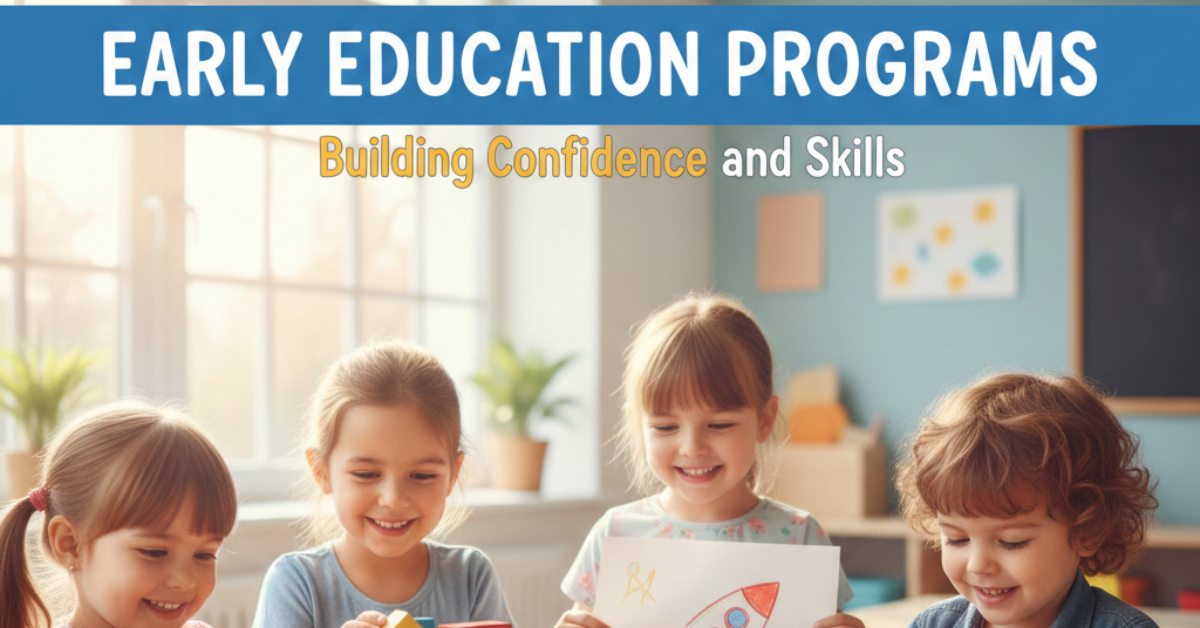


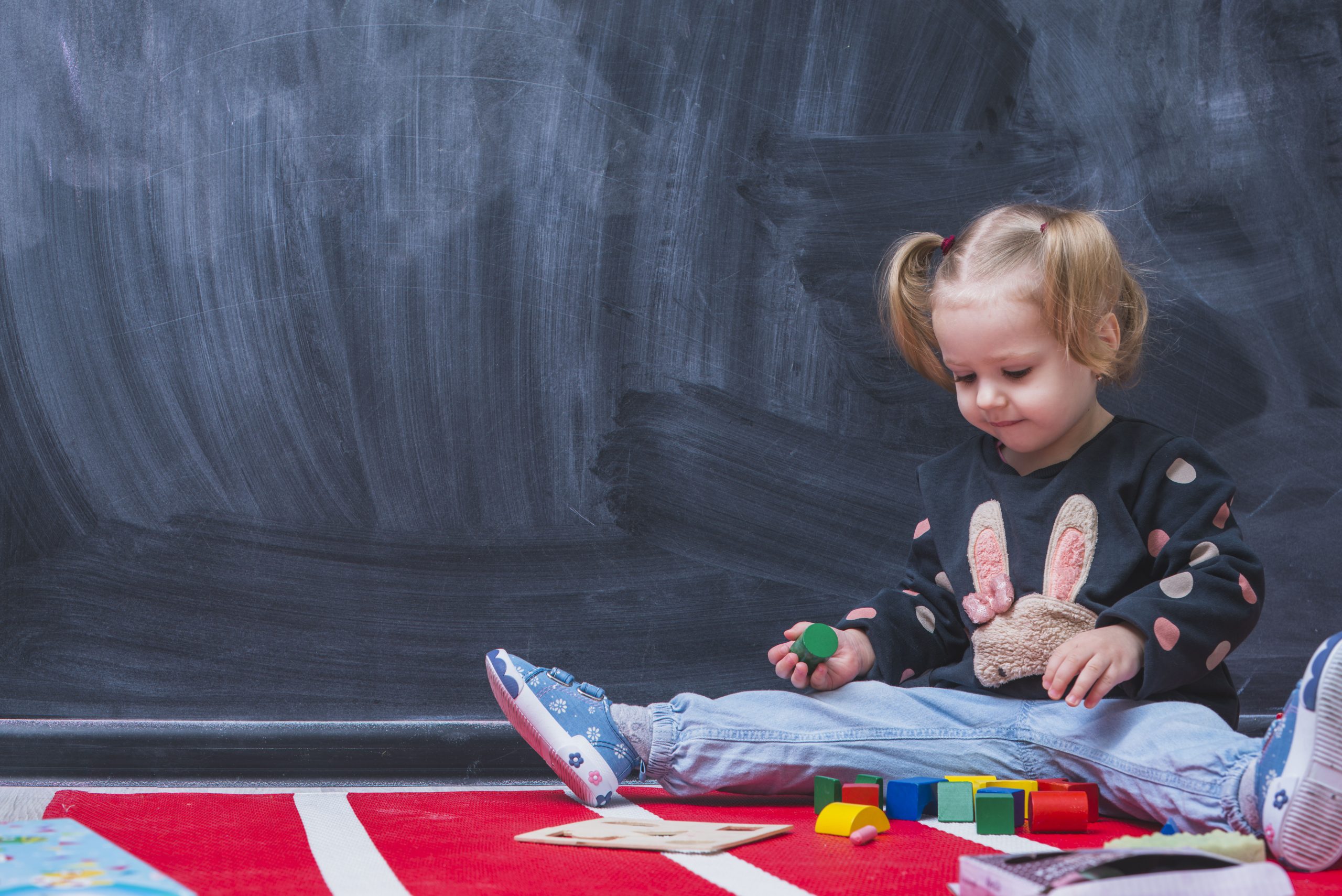
Early childhood represents one of the most influential stages in human development. It is a period when children absorb knowledge, explore the world around them, and develop essential cognitive, social, and emotional skills. Early childhood education (ECE) provides structured opportunities for children to grow holistically, nurturing curiosity, creativity, and foundational skills that support lifelong learning. Preschools, in particular, play a pivotal role in facilitating this early development, offering environments that balance learning, play, and social interaction.
The Genesis of Early Childhood Education
Early childhood education encompasses structured programs designed to cultivate young children’s development. These programs emphasize cognitive growth, social-emotional development, physical health, and early problem-solving skills. By fostering a foundation for critical thinking, communication, and creativity, ECE prepares children for future academic success and lifelong adaptability.
Historically, early childhood education has evolved alongside societal values and educational philosophies. From informal care arrangements to formalized preschools, the focus has shifted toward holistic child development, recognizing the formative nature of these early years. Understanding this evolution highlights the importance of modern preschools as intentional spaces for learning and growth.
Importance of Early Childhood Education
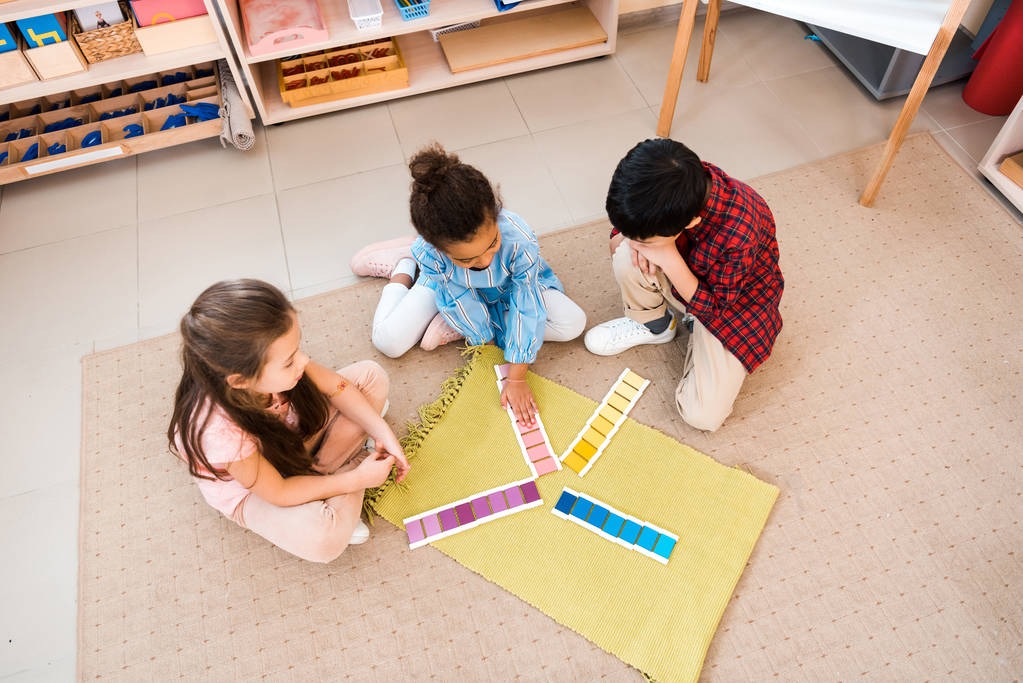
Cognitive development is one of the most significant outcomes of early learning. Quality preschools introduce children to problem-solving, basic literacy, numeracy, and scientific exploration in ways that stimulate curiosity and engagement. These experiences strengthen neural pathways that enhance memory, attention, and reasoning skills.
Equally important is social-emotional growth. Early education provides children with opportunities to interact with peers, learn empathy, and manage emotions in structured settings. These skills are crucial for building strong relationships and developing resilience, laying the groundwork for emotional intelligence that benefits children throughout life.
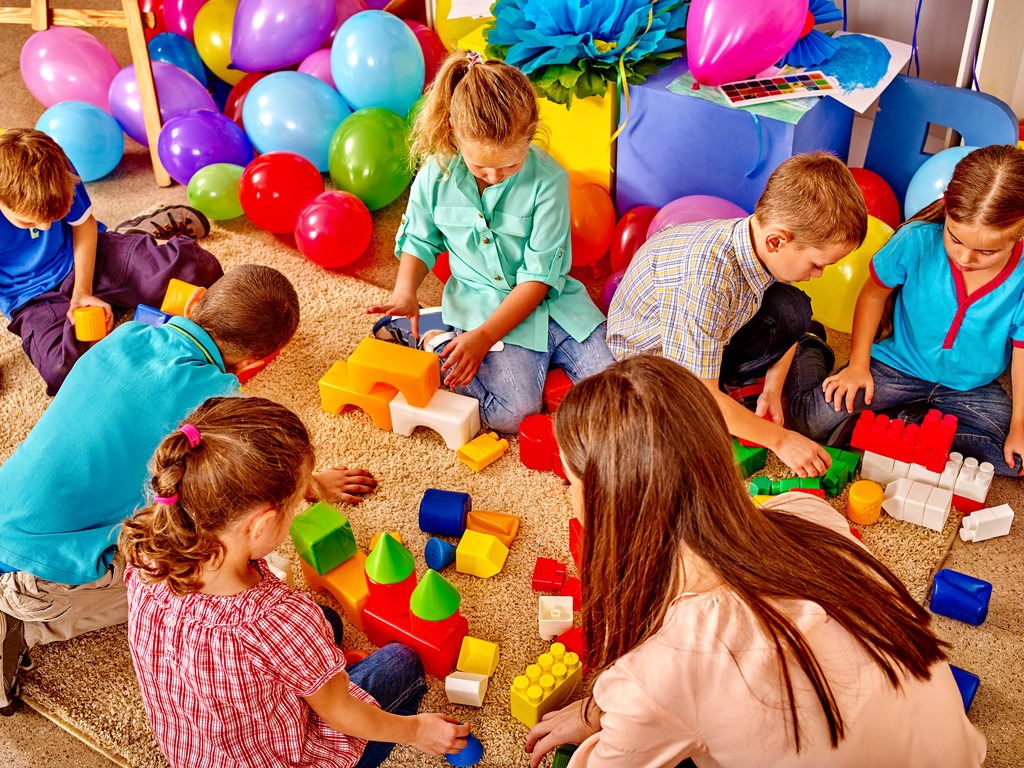
Physical development also plays a critical role in overall well-being. Preschools incorporate activities that promote motor skills, coordination, and physical health, ensuring that children develop the strength and vitality necessary for active learning and daily life.
The Role of Preschool in Early Childhood Education
Preschools provide safe, nurturing environments where children explore, experiment, and learn through age-appropriate activities. Structured routines and interactive materials encourage cognitive engagement while fostering creativity, social skills, and independence.
Beyond academics, preschool experiences help establish foundational cognitive abilities, from memory and concentration to problem-solving and early literacy. Social interactions in preschool settings teach collaboration, sharing, and communication, enhancing interpersonal skills that are critical for future success.
Small Wonder early childhood preschool exemplifies excellence in early education. With a curriculum that integrates structured learning, play, and creative exploration, the preschool addresses every aspect of a child’s development. Educators provide individualized attention while fostering social, cognitive, and emotional growth, ensuring that children are well-prepared for future academic challenges. Active parent engagement is also encouraged, strengthening the connection between home and school and supporting children’s overall development.
Debunking Common Myths About Preschool
There are several misconceptions regarding preschool education. Some parents believe that starting school too early may harm children, but research shows that emotional readiness is a stronger predictor of success than age alone.
Another common myth is that play and structured learning are mutually exclusive. In reality, high-quality preschools integrate both, using play to enhance creativity, problem-solving, and social development, while structured activities provide targeted skills and knowledge acquisition.
Concerns about academic pressure are also unfounded. Modern early childhood programs emphasize exploration, discovery, and socialization rather than rote learning, ensuring children develop at a pace suited to their age and abilities.
Evidence Supporting Early Childhood Education
Numerous studies demonstrate the long-term benefits of early education. Children who attend preschool show improved cognitive abilities, better social skills, and higher academic achievement throughout their schooling. Case studies further reveal that early intervention enhances emotional development, problem-solving skills, and confidence, underscoring the critical role preschools play in shaping a child’s future.
The Future of Early Education
While early childhood education in preschools has made significant progress, there is room for continued enhancement. Improvements in curriculum design, teacher training, and access to resources are essential for creating inclusive and stimulating learning environments. Future trends focus on personalized learning experiences, innovative teaching methods, and the integration of technology to support holistic development.
Parental Involvement
Parents and guardians are central to the success of early childhood education. Their involvement through reading, educational play, hands-on activities, and encouragement reinforces learning and nurtures curiosity. Strong parent-teacher collaboration ensures continuity between home and preschool, enhancing a child’s cognitive, social, and emotional growth.
Conclusion
Early childhood education in preschools is a vital investment in a child’s future. By providing structured learning, fostering creativity, and promoting social-emotional skills, preschools equip children with the foundation for lifelong learning and personal development. Small Wonder early childhood preschool exemplifies this approach, offering a nurturing, stimulating, and supportive environment where children thrive. By prioritizing holistic growth and active parental engagement, it ensures that every child is prepared to succeed academically, socially, and emotionally, unlocking their full potential for the future.