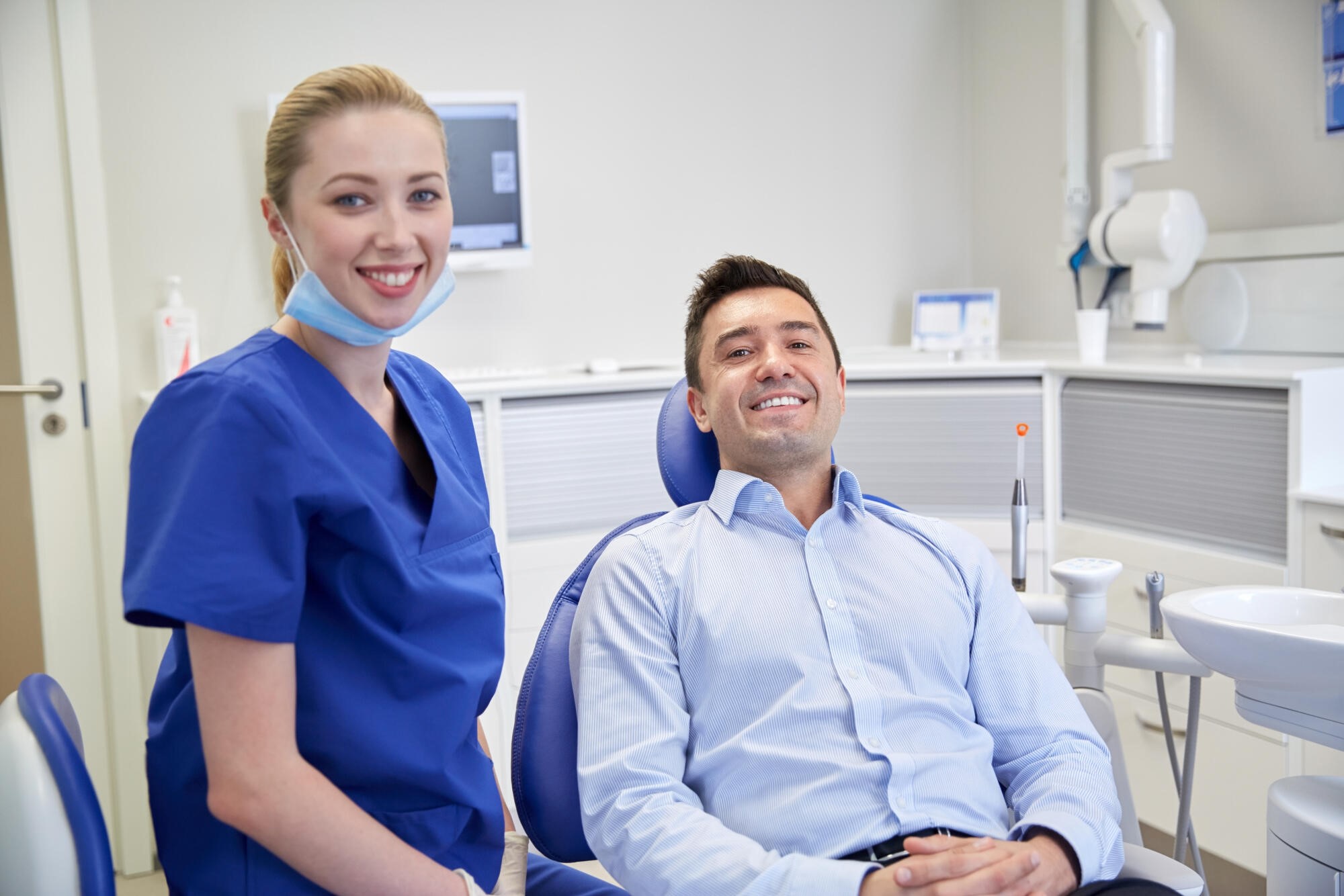


When we think about savvy financial decisions, we often picture diverse investment portfolios, high-yield savings accounts, or strategic real estate moves. However, one of the most overlooked assets in a personal or family “business model” is physical health—specifically, oral health. Neglecting dental care is often viewed as a way to save time or money in the short term, but the long-term economics suggest the exact opposite.
Treating your dental health like a business asset requires shifting from a reactive mindset—fixing problems only when they hurt—to a proactive one. Just as a business performs maintenance on machinery to prevent costly breakdowns, individuals who prioritize preventive and restorative care often avoid the exorbitant costs associated with dental emergencies. Here is the business case for why prioritizing your teeth is a sound financial strategy.
1. Preventive Maintenance Reduces Long-Term Overhead
In the business world, overhead costs can eat into profits. In your personal life, recurring health expenses act the same way. The foundation of a cost-effective dental strategy is preventive care. Routine check-ups, cleanings, and digital X-rays are the equivalent of regular audits. They catch minor issues—like a small cavity or early-stage gum inflammation—before they spiral into expensive crises.
The cost difference is staggering. A simple filling might cost a few hundred dollars, whereas a root canal and crown, necessitated by ignoring that cavity, can cost thousands. By budgeting for predictable, lower-cost preventive visits, you stabilize your “overhead” and avoid the financial shock of emergency interventions.
2. Restorative Care Protects the Asset’s Value
Even with the best preventive measures, wear and tear happens. This is where restorative dentistry comes in. Think of this as capital improvements on a building. When a tooth is damaged or lost, the structure of the mouth is compromised. Ignoring a missing tooth, for example, can lead to bone loss, shifting teeth, and a misaligned bite, all of which require far more complex and expensive solutions down the road.
Timely restoration is key. For instance, opting for dental implants in Anchorage sooner rather than later preserves the jawbone and facial structure. Unlike dentures, which may need frequent adjustments and replacements, high-quality restorative solutions offer longevity. By addressing the structural integrity of your smile immediately, you stop the depreciation of your oral health and avoid the “compound interest” of dental neglect.
3. The Productivity Correlation
Time is money. This cliché holds true for anyone balancing a career, family, and personal obligations. Dental emergencies rarely happen at convenient times. A severe toothache or a broken tooth can lead to missed workdays, distracted performance, and the logistical nightmare of scheduling urgent appointments.
According to the Centers for Disease Control and Prevention (CDC), employed adults lose millions of hours of work each year due to dental problems. By adhering to a schedule of preventive care and promptly addressing restorative needs, you minimize downtime. You remain productive and focused, ensuring that your income-generating potential isn’t hampered by preventable pain or urgent surgeries.
4. Avoiding the “Inflation” of Health Issues
Medical and dental issues rarely remain static; they tend to inflate over time. What starts as gingivitis (gum inflammation) can escalate into periodontitis, which has been linked to systemic health issues like heart disease, diabetes, and respiratory conditions. Suddenly, a dental problem becomes a whole-body health crisis involving cardiologists or endocrinologists.
This concept involves the “total cost of ownership.” By managing oral bacteria and inflammation through regular care, you are effectively reducing the risk of expensive medical treatments elsewhere in the body. The mouth is the gateway to the body, and keeping it clean is a cost-effective way to protect your overall physical wellness.
5. Confidence as a Professional Currency
While harder to quantify on a spreadsheet, confidence is a tangible professional asset. Whether you are closing a deal, interviewing for a new position, or leading a team, your ability to speak and smile freely impacts how you are perceived.
Restorative care, such as fixing chipped teeth or replacing missing ones, restores function and aesthetics. It eliminates the subconscious hesitation to speak up or smile. Investing in the appearance and function of your teeth pays dividends in self-assurance, which can directly translate into better networking, stronger relationships, and career advancement.
6. Utilizing Insurance Leverage
If you have dental insurance, paying premiums without using the benefits is essentially throwing money away. Most plans cover 100% of preventive care and a significant portion of restorative procedures. From a business perspective, failing to use these benefits is like leaving a tax rebate on the table.
Maximize your return on investment (ROI) by scheduling cleanings twice a year and completing necessary restorative work before your annual maximums reset. Utilizing your coverage efficiently reduces your out-of-pocket exposure and extracts the maximum value from the premiums you are already paying.
Conclusion
Viewing dental care through a financial lens reveals a clear truth: neglect is expensive, while care is cost-effective. By prioritizing preventive visits and timely restorative treatments, you protect your health, your time, and your bank account. It is not just about having a bright smile; it is about making a smart investment in your future well-being.