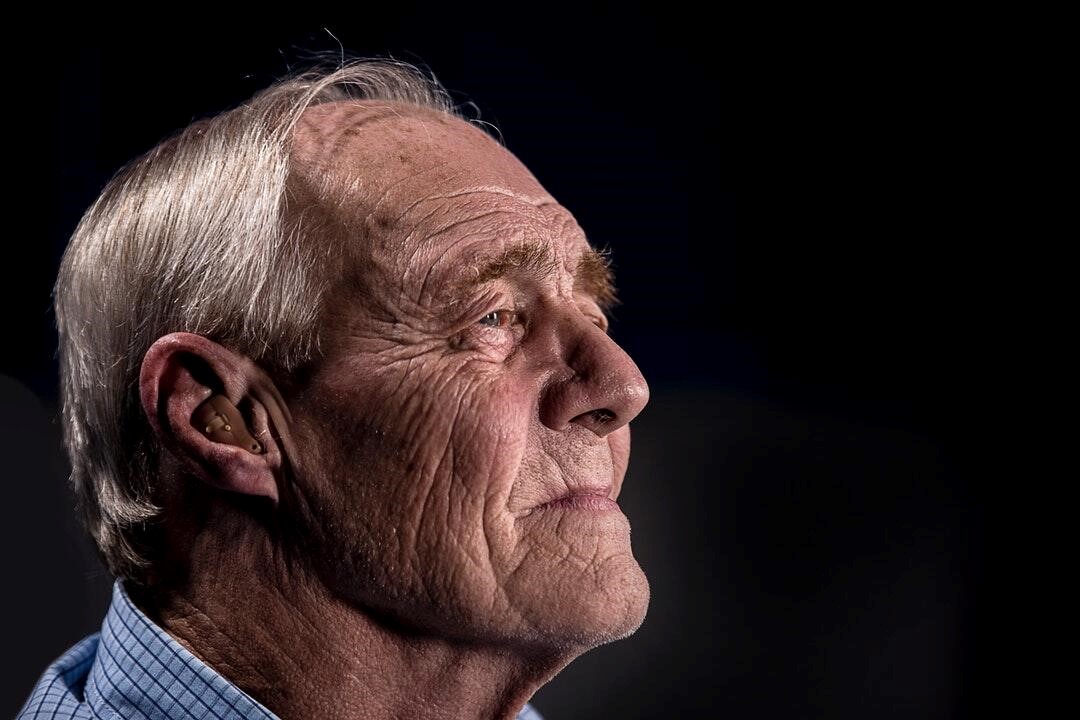


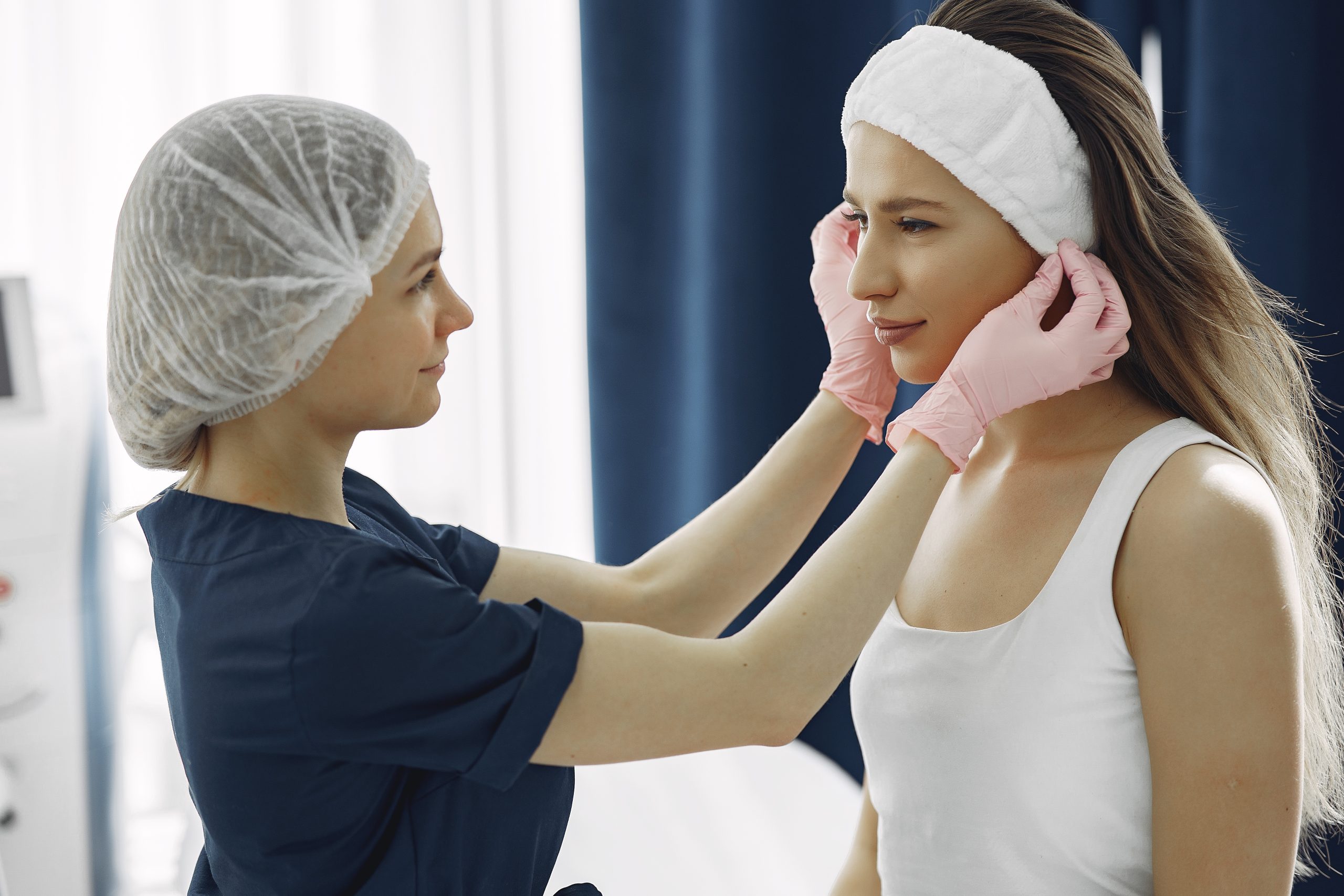
A smile can light up a face as it shows happiness and confidence. Yet some people lose this natural ability due to accidents, medical conditions, or birth defects. When the facial muscles stop moving, even simple expressions become hard. Reconstructive surgery helps such people regain their natural movement and expression. It brings back what they once had and helps them feel like themselves again.
The combination of cosmetic and reconstructive procedures gives patients a chance to recover both appearance and function. Cosmetic treatments focus on the look of the face while reconstructive surgery repairs damaged tissues and nerves. Together, they bring balance and restore the ability to move naturally. This article explains how reconstructive surgery helps people smile, speak, and express emotions again.
Causes of Facial Paralysis
Facial nerves control small muscles that move the eyes, mouth, and forehead. Damage to these nerves can stop movement on one or both sides of the face. Many factors can lead to facial paralysis. Some of the common causes include:
- Nerve damage caused by an accident or surgery.
- Birth defects that affect facial muscle control.
- Infections or growths that harm facial nerves.
- Stroke or neurological disorders that stop nerve signals.
When this happens, reconstructive surgeons step in to rebuild function through advanced medical techniques.
Importance of Reconstructive Surgery
Reconstructive surgery focuses on bringing back muscle control and nerve function. It is a detailed process that requires patience and precision. Each patient’s condition is unique, so surgeons create a plan that fits the specific problem. The goal is to help the face move naturally again.
One of the most important aspects of this surgery is restoring the nerve connection. Without working nerves, muscles cannot move. Surgeons carefully repair or replace damaged nerves to allow signals from the brain to reach the muscles. When this connection is restored, movement slowly returns.
Reconstructive surgery also focuses on restoring symmetry. A balanced face looks natural when smiling or talking. Achieving symmetry requires careful planning by the surgeon so that the results match the person’s natural features.
Key Surgical Techniques
Several surgical methods help restore movement in the face. Each technique has a specific purpose depending on the level of damage.
Nerve Grafting
In this method, surgeons take a healthy nerve from another part of the body and connect it to the damaged facial nerve. This allows electrical signals from the brain to pass through the new nerve. Over time, the muscles start to respond again. This process may take several months as the nerves grow and heal.
Muscle Transfer
If the muscles in the face no longer work, doctors use muscles from another body part, such as the thigh. These new muscles are carefully attached to the face and linked to nerves and blood vessels. Once the healing process begins, patients can start retraining their new muscles to smile or move their mouth.
Microsurgery
Microsurgery uses special tools and microscopes to work on small structures like nerves and vessels. This technique requires great skill since the nerves are very thin. It helps restore delicate facial movements such as blinking or raising the eyebrows. The precision of microsurgery allows surgeons to bring back natural expression with minimal scarring.
Therapists teach patients how to move their facial muscles properly. Small exercises repeated daily help retrain the face. Progress might feel slow at first, but with steady effort, movement improves. Regular follow-ups help the medical team track progress and adjust treatment as needed.
Emotional and Social Benefits
Regaining facial movement has a deep emotional impact. It brings back more than physical function. A person who can smile again feels hopeful and confident. Expressing emotion allows them to connect better with others. Social interaction becomes easier once natural movement returns. People start feeling comfortable in public again.
Many patients describe this change as life-changing because it restores self-respect and emotional freedom. Reconstructive surgery gives people a second chance to live without hiding their faces. The psychological benefit is as important as the physical result. It helps rebuild trust in oneself and restores a sense of wholeness.
The Value of Cosmetic and Reconstructive Procedures
The progress in cosmetic and reconstructive procedures has made it possible to restore natural facial function with impressive results. Surgeons now use methods that focus on precision, natural appearance, and smooth movement. These improvements make the surgery safer and more effective than before.
Modern medical techniques help surgeons achieve results that look real and move naturally. Patients gain function without losing their unique facial identity. Every procedure is tailored to match individual needs. This approach brings a balance between healing and appearance, allowing patients to return to normal life with renewed confidence.
Reconstructive surgery gives people the chance to regain natural facial movement and emotion. It repairs damaged nerves and muscles, helping the face work as it should. Beyond the medical recovery, it restores self-esteem and the ability to express feelings freely. A smile or a simple blink may seem small, yet they mean everything to someone who has lost them. Reconstructive surgery brings those moments back, allowing people to face the world again with strength and grace.
Read More: Key Factors To Inspect Before Scheduling[1] Commercial AC Repair Service