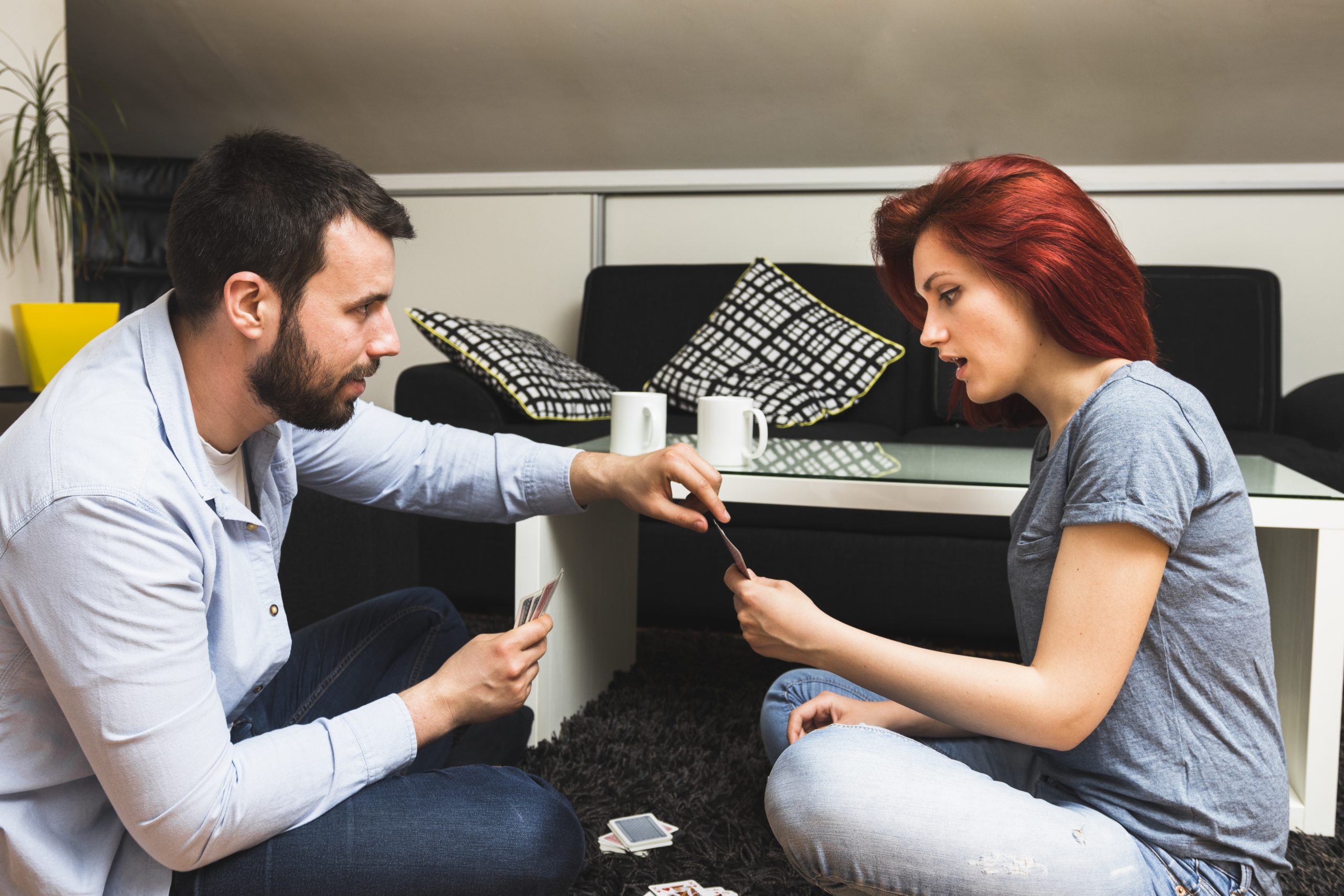






Nowadays, aging awareness has begun to influence how people shape their personal well-being in meaningful ways. Many individuals notice changes in comfort, pace, and priorities as the years progress, and such shifts encourage a more intentional approach to daily care. Wellness planning becomes less about rigid routines and more about understanding what supports ease, confidence, and physical comfort throughout the day. Individuals begin refining their habits with a clearer sense of what truly benefits them, creating a more grounded relationship with their overall health.
There is growing recognition that aging invites continuous adjustment rather than abrupt reinvention. People start shaping their routines around what helps them feel steady, supported, and connected to their lives.
Let’s discuss this further below:
Comfort and Appearance
Comfort and appearance often take on new importance as adults learn what helps them feel confident and grounded in their daily lives. Aging awareness encourages people to refine grooming habits, skincare routines, and appearance-focused choices that reflect who they are now rather than who they once were. All of this becomes a thoughtful part of well-being because it acknowledges the relationship between physical comfort and personal identity. Many individuals appreciate knowing that they can adapt their approach as their needs change over time.
Some adults seek professional insight to help guide such choices. Aesthetic providers who understand the subtleties of age-related changes can offer direction that feels both supportive and realistic. Glo & Sparkle Aesthetics & Med Spa is an example of a place where individuals can explore options tailored to their goals, whether it’s skin treatments, body contouring, or laser treatments. Professional care helps people make informed decisions that honor comfort while maintaining a natural sense of self.
Daily Habits
Many individuals begin refining the way they start and end their days so their routines support physical ease and emotional steadiness. It can include balanced meals, consistent hydration, structured movement, or quiet moments that help the mind settle. These habits become building blocks for a more sustainable lifestyle because they shape how the body responds to daily demands.
People also become more observant of the habits that drain them. This awareness creates room for small adjustments that improve the flow of the day. Daily habits that once felt automatic begin to evolve into choices made with intention.
Preventive Care
Preventive care grows more influential as aging awareness increases. Adults begin to include screenings, routine check-ins, and targeted health evaluations in their yearly planning. Preventive care supports long-term wellness by encouraging individuals to remain engaged with their health rather than waiting for issues to develop.
People also become more consistent with habits that reduce unnecessary strain on the body. This may include nutrition adjustments, exercise suited to their needs, or environmental changes that promote safety and comfort. Preventive actions create a sense of stability because individuals know they are actively supporting their future well-being.
Movement Practices
Many individuals prioritize joint-friendly movement styles that support mobility and reduce discomfort. Walking, swimming, light strength work, and gentle conditioning routines often become part of the weekly schedule. Such activities help maintain agility and give the body a sense of openness that supports comfort throughout the day.
In this way, people develop a clearer understanding of when to rest and when to stay active. Movement becomes a conversation with the body rather than a rigid expectation. Once individuals find routines that match their needs, physical well-being begins to feel more attainable.
Social Connection
Social connection gains importance as adults recognize how relationships influence both emotional steadiness and overall wellness. People begin nurturing connections that feel supportive, authentic, and mutually beneficial. This may involve deeper conversations, shared activities, or community involvement that brings meaning to daily life. Strong social networks help maintain a sense of belonging and create emotional support that feels grounded and real.
Many individuals also become more selective about how they spend their social time. Connection becomes intentional rather than routine.
Flexibility Practices
Many people begin adding gentle stretching or mobility routines to maintain comfort and reduce stiffness. This way, the body stays responsive and supports activities that require bending, reaching, or extended sitting. When flexibility is nurtured regularly, movement feels more natural, and physical tasks become less demanding on the joints.
Moreover, routines help individuals tune in to what their bodies need. Slow, intentional stretching provides a moment of calm while encouraging better posture and range of motion. Over time, flexibility practices develop into a reliable wellness habit, supporting both daily comfort and long-term mobility.
Work Habits
Many individuals begin adopting strategies that reduce strain, such as organized task planning, structured breaks, ergonomic adjustments, or thoughtful time management. Eventually, it helps protect energy throughout the workday and allows professionals to stay productive without feeling overwhelmed. The goal becomes maintaining a steady workflow that respects personal limits.
Adjustment of work habits also encourages healthier engagement. When routines support well-being, people experience more satisfaction in their work and feel more capable of handling responsibilities.
Home Comfort
Home environments begin to take on a more intentional role in personal wellness as adults recognize how space influences mood and physical comfort. Many people adjust their living areas to support restful routines, better sleep, easier movement, and a general sense of calm. It might involve reorganizing shared spaces, improving lighting, reducing clutter, or incorporating items that create comfort.
With time, the home becomes a place that nurtures well-being rather than simply a backdrop for daily tasks. People develop a deeper appreciation for environments that make relaxation feel natural and accessible.
Aging awareness inspires people to explore wellness in a more intentional and adaptive way. As individuals learn what supports their comfort, energy, and emotional steadiness, they begin shaping routines that reflect their real needs. Professional guidance, thoughtful environments, refined habits, and supportive relationships all influence this evolving approach.