



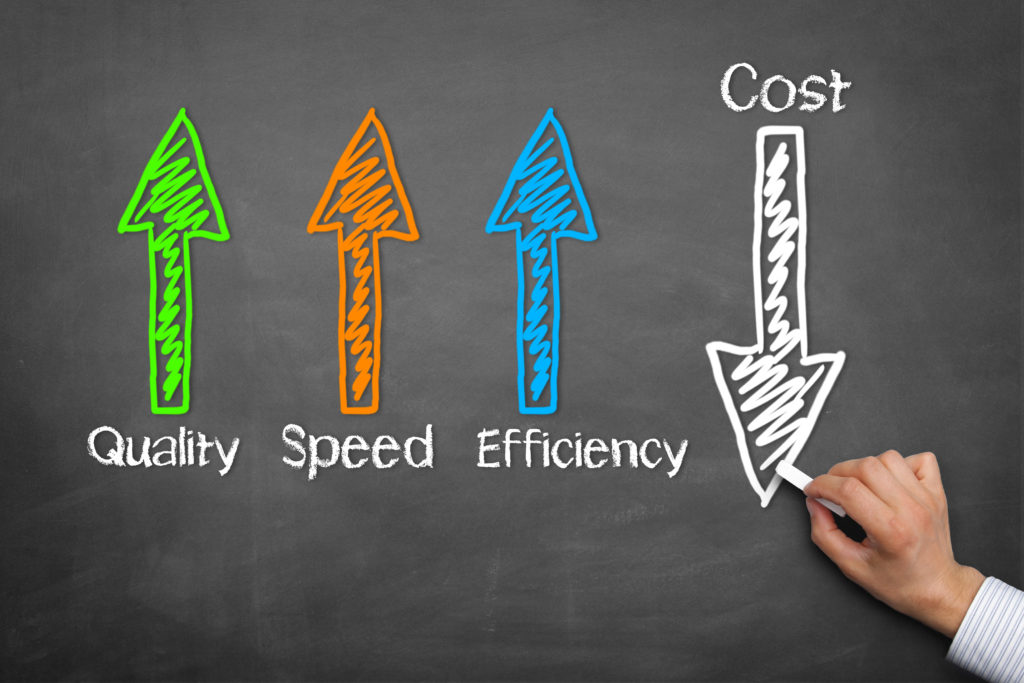
In the world of customer service, time is a precious resource. Support teams are often caught in a balancing act, striving to deliver high-quality, personalized assistance while managing a high volume of inquiries. When agents are stretched thin, response times can lag, and the quality of support can suffer, leading to frustrated customers and stressed employees. The key to breaking this cycle isn’t just about working harder—it’s about working smarter.
This post will explore practical strategies to boost your support team’s efficiency. By implementing these methods, you can empower your agents to handle inquiries more effectively, reduce backlogs, and ultimately improve the customer experience. From leveraging the right technology to refining internal processes, you’ll gain actionable insights to help your busy support team thrive.
Streamline with a Centralized Knowledge Base
One of the most significant time-wasters for a support agent is searching for information. When answers are scattered across different documents, chat logs, and emails, it takes valuable minutes away from helping customers. A centralized knowledge base solves this problem by creating a single source of truth for your entire team.
Start by compiling frequently asked questions, product guides, troubleshooting steps, and policy documents into one accessible platform. Organize the content with clear categories and a robust search function. This allows agents to find accurate, up-to-date information instantly. An internal knowledge base not only speeds up response times but also ensures consistency in the answers your customers receive. Encourage your team to contribute to and update the knowledge base regularly, making it a living, evolving resource.
Leverage Canned Responses and Templates
Many customer inquiries are repetitive. Instead of typing out the same response over and over, your team can use canned responses and templates for common questions. These pre-written messages can be quickly personalized and sent, saving significant time on each interaction.
Identify recurring questions, such as “How do I reset my password?” or “What is your return policy?” and create clear, concise templates. Store them in your help desk software for easy access. While templates are a major time-saver, it’s crucial to train your team to customize them before sending. Adding a personal touch, like addressing the customer by name and referencing their specific issue, ensures the communication feels human and not robotic.
Implement an Effective Ticketing System
A well-organized ticketing system is the backbone of an efficient support team. It allows you to categorize, prioritize, and assign incoming requests in a structured way, preventing issues from falling through the cracks. If your team is still managing support through a shared email inbox, upgrading to a dedicated ticketing system is a game-changer.
Use features like ticket routing to automatically assign inquiries to the right agent or department based on keywords or the type of request. Set priority levels (e.g., low, medium, high, urgent) to ensure your team addresses the most critical issues first. This system provides a clear overview of the workload, helps managers track performance, and ensures every customer receives a timely response.
Empower Customers with Self-Service Options
One of the best ways to reduce your support team’s workload is to empower customers to find answers themselves. A comprehensive FAQ page, detailed help articles, and video tutorials can address many common issues before a customer even thinks about contacting your team.
Your self-service resources should be easy to navigate and written in simple, clear language. Analyze your support tickets to identify the most common questions and create content that directly addresses them. Promoting your self-service portal on your website and within your product can deflect a significant number of tickets, freeing up your agents to focus on more complex, high-value interactions.
Invest in Training and Development
An efficient team is a well-trained one. Continuous training ensures your agents have the product knowledge, communication skills, and technical proficiency to handle inquiries effectively. When agents are confident in their abilities, they can resolve issues faster and with greater accuracy.
Your training program should cover more than just your products. Include sessions on soft skills like active listening, empathy, and de-escalation techniques. Regular refreshers on new features and policy updates will also keep your team sharp. Investing in your team’s development not only improves their efficiency but also boosts morale and job satisfaction, which can reduce employee turnover. For organizations seeking to overhaul their support structure, specialized guidance from a contact center consulting firm can provide a roadmap for building a high-performing team.
Make Your Next Move
Building an efficient support team doesn’t happen overnight. It requires a thoughtful approach that combines the right technology, streamlined processes, and a commitment to continuous improvement. By implementing these strategies, you can reduce the pressure on your agents, improve their productivity, and deliver the outstanding service your customers deserve. Start with one or two of these ideas and build from there—your team and your customers will thank you for it.


