










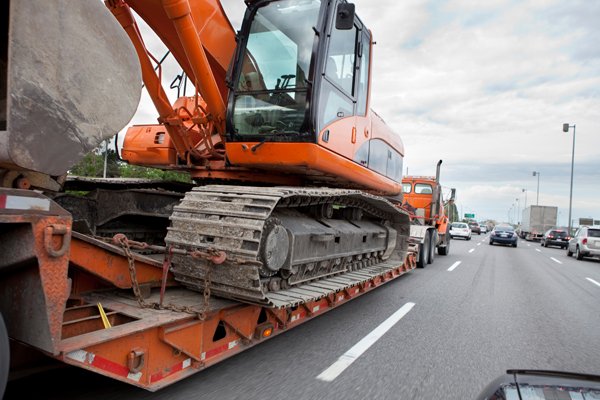
Transporting heavy machinery over long distances is a complex task that demands meticulous planning and execution. Unlike standard cargo, these assets are often oversized, overweight, and highly valuable, making their relocation a high-stakes endeavor. A single misstep can lead to costly damage, project delays, or serious safety incidents. Successfully moving heavy equipment requires a deep understanding of logistics, safety protocols, and regulatory compliance. This guide offers a framework for navigating the process safely and efficiently from start to finish.
The Critical Planning Phase
Thorough preparation is the most important factor in a successful long-distance machinery move. This initial stage sets the foundation for every subsequent action.
Detailed Assessment and Documentation
Begin by conducting a comprehensive assessment of the machinery. Document its exact dimensions, weight, and any sensitive components. Note any specific handling requirements provided by the manufacturer. This information is crucial for selecting the right transport vehicle and securing the necessary permits. Take clear photographs from all angles before the move to document its pre-transport condition. This record can be invaluable in the event of a dispute or insurance claim.
Route and Logistics Planning
Moving heavy equipment isn’t as simple as choosing the fastest route. The path must be carefully planned to avoid low bridges, narrow roads, weight-restricted areas, and other potential obstacles. Work with logistics experts to map out a viable route that accounts for state and local regulations, which can vary significantly. This plan should also include designated stops for inspections to ensure the load remains secure throughout the journey.
Preparing the Machinery for Transit
Properly preparing the equipment itself is essential to prevent damage and ensure a secure journey. This step should never be rushed.
Cleaning and Disassembly
Before loading, thoroughly clean the machinery to remove any dirt, grease, or debris. This makes inspections easier and prevents foreign materials from falling onto roadways. If possible, disassemble any protruding or delicate parts. Secure these components separately to protect them from damage and reduce the overall dimensions of the primary load. Drain all fluids like fuel and hydraulic oil to minimize fire hazards and prevent leaks.
Securing the Load
Once on the transport vehicle, the machinery must be properly secured. Use high-grade chains, binders, and straps rated for the equipment’s weight. Distribute the weight evenly over the trailer’s axles to maintain stability. The securing process should follow established industry best practices and legal requirements. An improperly secured load is a major safety risk to the transport team and the public.
Adhering to Safety and Regulations
Compliance with safety standards and transportation laws is non-negotiable. Overlooking these details can result in significant fines and liabilities.
Permits and Legal Compliance
Oversized and overweight loads require special permits for legal transport on public roads. The requirements for these permits change from state to state. It is vital to secure all necessary documentation for every jurisdiction the shipment will pass through. This process can be complex, and many businesses opt for professional assistance. For example, a company specializing in heavy machinery moving in Salt Lake City would have deep knowledge of Utah’s specific regulations as well as those of surrounding states.
On-the-Road Safety Measures
The transport vehicle must be equipped with proper signage, such as “Oversize Load” banners, and appropriate lighting. In many cases, pilot or escort vehicles are required to travel with the transport to manage traffic and warn other drivers. The transport driver must be experienced in handling heavy loads and adhere to mandated driving hours to prevent fatigue. Regular checks at planned stops are crucial to confirm that the machinery remains safely secured.
Executing a long-distance heavy machinery move is a significant undertaking, but it can be managed successfully with a systematic approach. By prioritizing detailed planning, proper equipment preparation, and strict adherence to safety protocols, you can protect your valuable assets and ensure they arrive at their destination securely and on schedule.