



In today’s world, where energy costs continue to rise and sustainability is more important than ever, homeowners are looking for practical ways to make their homes more efficient. Energy efficiency isn’t just about cutting costs—it’s about creating a comfortable, eco-friendly environment that works smarter, not harder. Whether you’re in a small apartment or a large house, there are countless ways to lower your energy bills while keeping your home cozy year-round.
1. Upgrade to Smarter Heating and Cooling
Heating and cooling systems account for nearly half of a home’s energy consumption, making them the first place to start when improving efficiency. If your HVAC system is more than ten years old, it may be time for an upgrade. Modern systems are designed with energy-saving technologies that regulate temperature more precisely and consume less power.
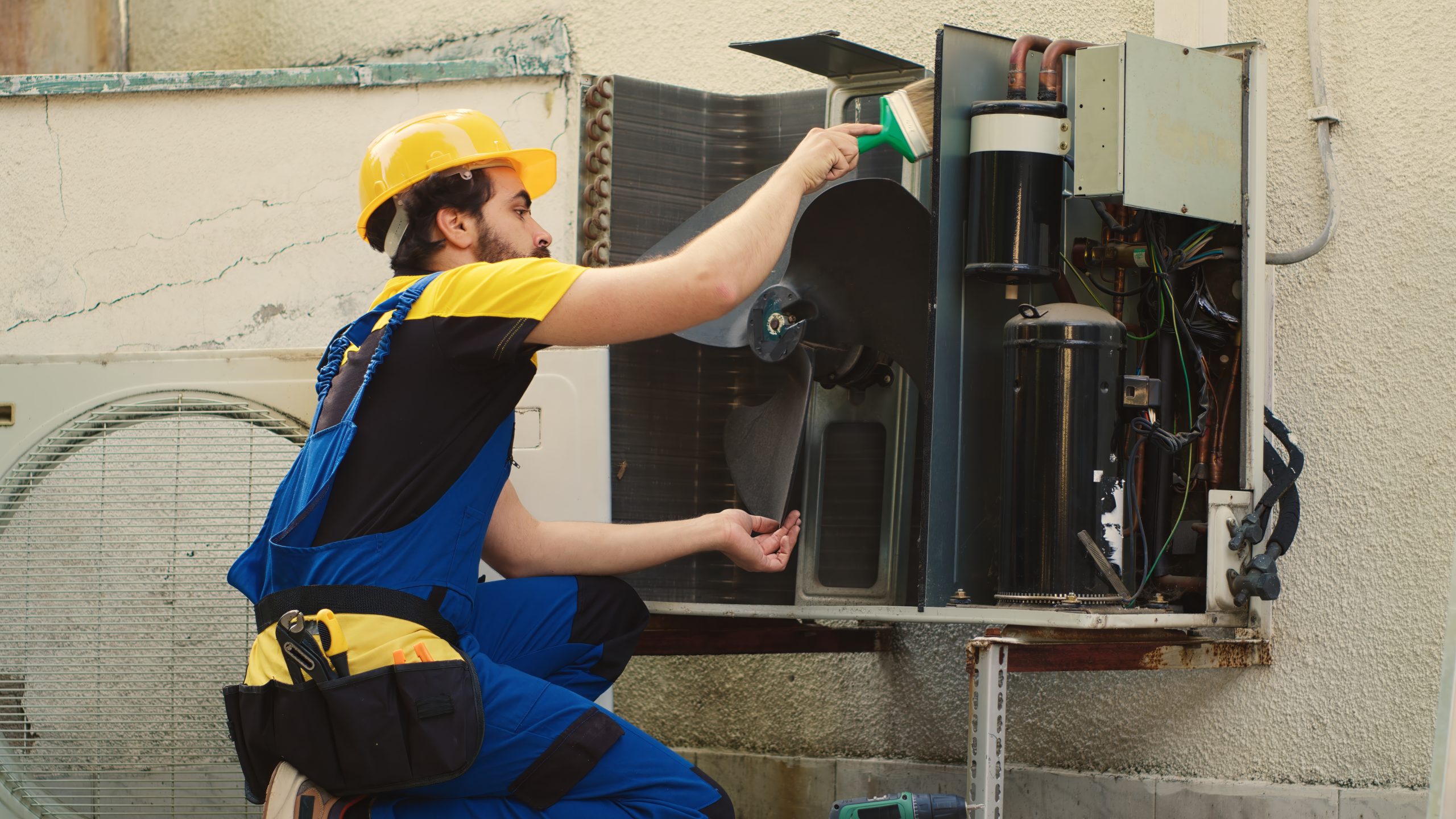
Regular maintenance is equally essential. Changing air filters every few months, cleaning vents, and scheduling annual tune-ups can help your system run more efficiently and last longer. If your system isn’t cooling properly, it might be worth scheduling professional air conditioning repair in Herriman to restore optimal performance and prevent costly energy waste.
For even greater control, consider installing a smart thermostat. These devices learn your schedule and adjust temperatures automatically, ensuring your home is comfortable when you’re there and conserving energy when you’re not.
2. Seal and Insulate for Maximum Efficiency
Even the most efficient HVAC system can’t perform well if your home is leaking air. Cracks, gaps, and poor insulation allow heat to escape in winter and cool air to leak out in summer—forcing your system to work harder.
Start by inspecting doors and windows for drafts. Use weatherstripping or caulking to seal gaps and prevent air loss. Attic insulation is another major factor; adding or upgrading insulation can significantly reduce your heating and cooling costs.
Don’t forget less obvious areas, like electrical outlets on exterior walls, basement floors, and attic hatches. By tightening up your home’s envelope, you’ll not only save on utilities but also enjoy more consistent indoor temperatures.
3. Optimize Your Lighting
Lighting accounts for about 10% of a home’s energy use, so swapping out old bulbs for energy-efficient options can make a surprising difference. LED bulbs consume up to 80% less energy and last up to 25 times longer than traditional incandescent bulbs.
For even better efficiency, incorporate natural light whenever possible. Open blinds during the day to reduce the need for artificial lighting, and consider light-colored wall paint to reflect sunlight and brighten your space. Motion sensors or dimmer switches can also help control energy use by ensuring lights aren’t left on unnecessarily.
4. Upgrade Appliances and Electronics
Older appliances often use much more electricity than newer, Energy Star-certified models. If your refrigerator, washing machine, or dishwasher is nearing the end of its lifespan, consider replacing it with an energy-efficient option.
Electronics also contribute to energy waste, especially when left plugged in. Devices like televisions, computers, and chargers continue to draw power even when turned off—a phenomenon known as “phantom load.” Unplugging devices when not in use or using smart power strips can reduce this hidden energy drain.
5. Harness the Power of Renewable Energy
If you’re ready to take your home’s efficiency to the next level, consider investing in renewable energy. Solar panels have become increasingly affordable and can dramatically reduce your dependence on the grid. Depending on your location and setup, you might even generate enough energy to sell back to your utility company.
Even smaller renewable options—like solar-powered outdoor lights or water heaters—can make a difference over time. Combining renewable energy with efficient habits creates a sustainable home that’s both eco-friendly and cost-effective.
6. Make Water Use More Efficient
Hot water heating can account for up to 20% of a household’s energy use. Lowering your water heater temperature to 120°F can reduce energy consumption without sacrificing comfort. Installing low-flow showerheads and faucets can also decrease both water and heating costs.
Fixing leaks promptly is another easy but often overlooked step. A dripping faucet or running toilet can waste thousands of gallons of water each year, driving up both water and energy bills.
7. Develop Energy-Smart Habits
Technology and upgrades can go a long way, but everyday habits matter just as much. Turning off lights when leaving a room, doing laundry with cold water, and air-drying clothes are all simple ways to reduce energy use.
In warmer months, use ceiling fans to circulate air—this allows you to set your thermostat a few degrees higher without losing comfort. During winter, let sunlight naturally warm your home by opening curtains during the day and closing them at night to retain heat.
Final Thoughts
Improving home energy efficiency isn’t about making drastic changes overnight—it’s about combining smart upgrades, maintenance, and mindful habits to create lasting savings. Every adjustment, from sealing windows to upgrading appliances, adds up to a more comfortable home and lower monthly bills.
By making your home more energy-efficient, you’re not only saving money—you’re also contributing to a more sustainable future. And when your comfort systems need attention, don’t hesitate to call in professionals to keep them running at peak performance. After all, efficiency and comfort go hand in hand.
Read More: Ekart Partner Center: Streamlined Logistics for E-Commerce Success


![Key Factors To Inspect Before Scheduling[1] Commercial AC Repair Service](https://cloudnexuslab.com/wp-content/uploads/2026/01/Clean-Construction-Strategies-to-Prevent-Pollution-on-Site-scaled.jpg)