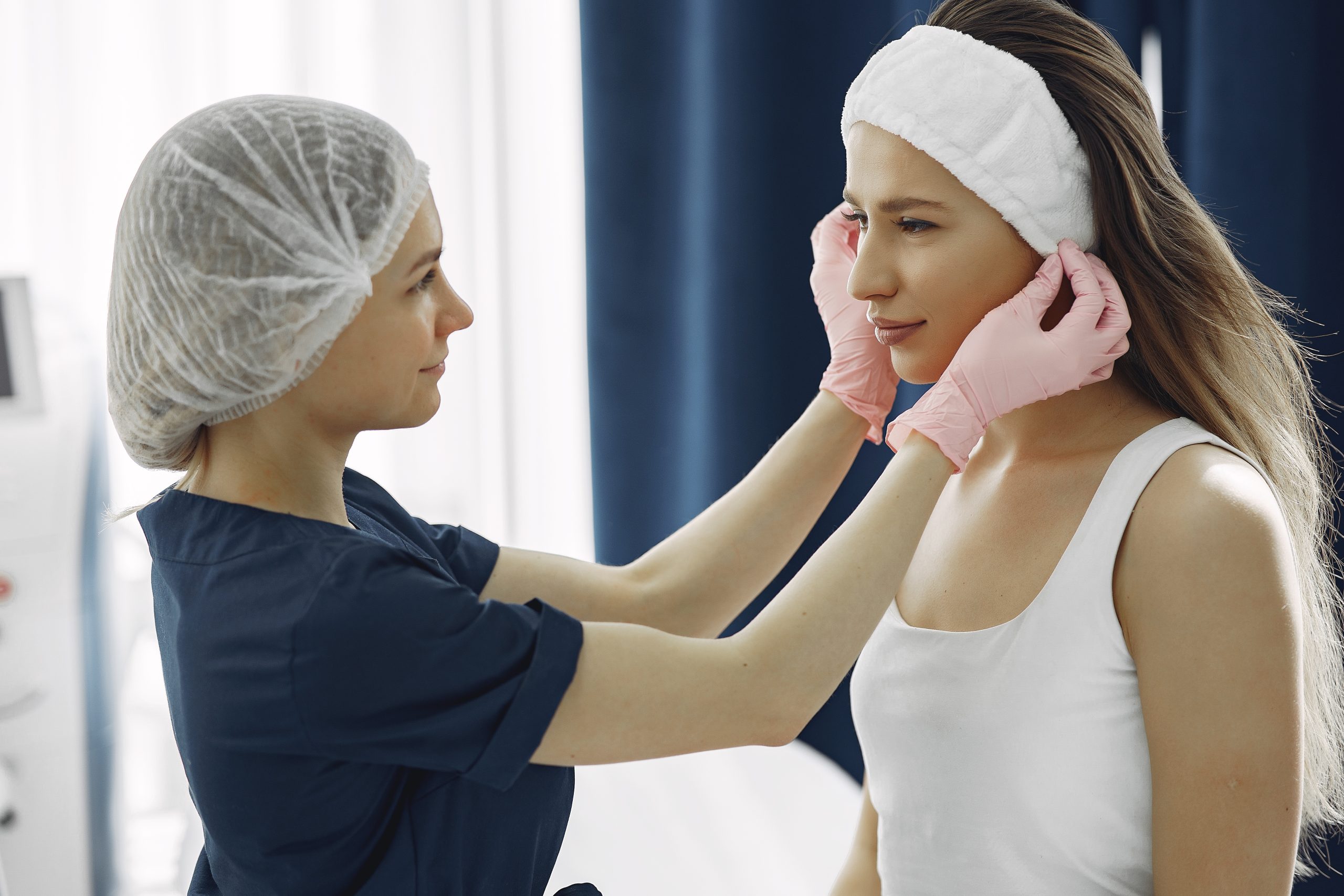


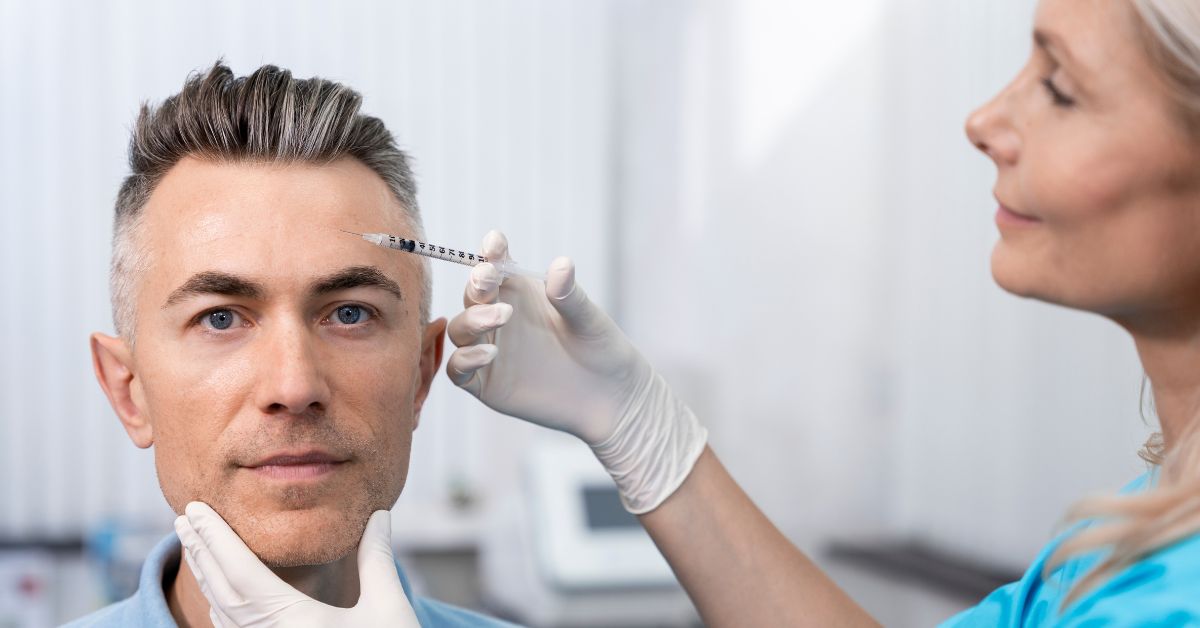
Facial injectables have become a mainstream beauty treatment over the past decade, offering a minimally invasive way to refresh your appearance without surgery. This guide covers everything first-timers need to know, including types of treatments, how to prepare for an appointment, and managing recovery.
Understanding Types of Facial Injectables
Facial injectables fall into two main categories, each serving different purposes in facial rejuvenation.
Botox and Neurotoxins
Botox is the most well-known neurotoxin, though other brands work similarly. These treatments temporarily relax facial muscles that cause dynamic wrinkles—those lines that appear when you smile, frown, or squint.
Neurotoxins work best on:
- Forehead lines
- Crow’s feet around the eyes
- Frown lines between the eyebrows
- Neck bands
Results typically appear within 3-7 days and last 3-4 months. The treatment takes just 10-15 minutes, making it popular for those with busy schedules.
Dermal Fillers
Dermal fillers add volume and smooth static wrinkles—lines that are visible even when your face is at rest. Different filler materials serve various purposes:
Hyaluronic Acid Fillers (Juvederm, Restylane) are the most common. They attract water to plump the skin and can be dissolved if needed. These fillers work well for:
- Lip enhancement
- Cheek volumizing
- Under-eye hollows
- Nasolabial folds
Calcium Hydroxylapatite Fillers (Radiesse) stimulate collagen production and last longer than hyaluronic acid. They’re often used for deeper lines and facial contouring.
Poly-L-lactic Acid Fillers (Sculptra) gradually stimulate collagen growth over several months, providing subtle, long-lasting results.
Results from fillers appear immediately but may have some swelling initially. Depending on the type, effects can last 6-24 months.
Preparing for Your First Injectable Appointment
The Consultation Process
A thorough consultation is crucial for achieving the results you want. During this meeting, discuss:
- Your aesthetic goals and expectations
- Medical history, including allergies and medications
- Previous cosmetic treatments
- Areas of concern you’d like to address
Your provider should examine your facial anatomy and recommend treatments that align with your goals. They should also show you before-and-after photos of similar cases and explain what results you can realistically expect.
Don’t hesitate to ask questions about their experience, training, and the products they use. A qualified provider will welcome your questions and provide detailed answers.
Choosing a Qualified Provider
The skill of your injector significantly impacts your results and safety. Look for providers who:
- Are licensed medical professionals (dermatologists, plastic surgeons, or nurse practitioners)
- Have specific training in facial anatomy and injection techniques
- Use FDA-approved products
- Maintain clean, professional facilities
- Have positive reviews and before-and-after galleries
Many areas offer excellent options—for instance, if you’re looking for Botox injections, Sandy, UT has several qualified providers to choose from. Always verify credentials and don’t choose based solely on price.
Pre-Treatment Preparation
About a week before your appointment:
- Avoid blood-thinning medications like aspirin (unless medically necessary)
- Skip alcohol for 24 hours before treatment
- Don’t take supplements like fish oil or vitamin E
- Stay hydrated and get adequate sleep
- Avoid scheduling treatments right before important events
What to Expect During the Injection Process
The Treatment Experience
Most injectable treatments are relatively comfortable. Here’s what typically happens:
The area will be cleaned, and your provider may apply a topical numbing cream. Many fillers also contain lidocaine for additional comfort during injection.
For Botox treatments, you’ll feel small pinpricks as the needle enters the muscle. The discomfort is brief and manageable for most people.
Filler injections may cause more pressure and slight stinging, especially in sensitive areas like the lips. Your provider can adjust their technique to minimize discomfort.
Total treatment time ranges from 15-45 minutes, depending on the areas being treated.
Immediate Aftercare
Right after treatment, you might notice:
- Small injection marks (these fade quickly)
- Slight swelling or redness
- Minor bruising (more common with fillers)
Your provider will give you an ice pack and specific aftercare instructions. Most people can return to normal activities immediately, though you should avoid strenuous exercise for 24 hours.
Managing Recovery and Side Effects
Common Side Effects
Most side effects from injectables are mild and temporary:
For Botox:
- Slight soreness at injection sites
- Rare: temporary eyebrow or eyelid drooping (resolves in 2-4 weeks)
For Fillers:
- Swelling (especially in lips)
- Bruising
- Tenderness
- Temporary asymmetry as swelling subsides
Aftercare Tips
To minimize side effects and optimize results:
- Apply ice for 10-15 minutes several times during the first day
- Sleep with your head elevated for the first night
- Avoid touching or massaging treated areas
- Stay hydrated
- Use gentle skincare products
- Apply sunscreen diligently
Contact your provider if you experience severe pain, signs of infection, or unusual symptoms.
Benefits and Potential Risks
The Benefits
When performed by qualified professionals, facial injectables offer numerous advantages:
- Quick, convenient treatments
- Minimal to no downtime
- Natural-looking results when done skillfully
- Gradual improvement in skin quality over time
- Boost in confidence and self-esteem
Understanding the Risks
While complications are rare, it’s important to be aware of potential risks:
- Allergic reactions
- Infection at injection sites
- Asymmetry or overcorrection
- Vascular complications (extremely rare but serious)
Choosing an experienced provider and following aftercare instructions significantly reduces these risks.
Cost Considerations
Injectable costs vary based on several factors:
- Geographic location
- Provider’s experience and credentials
- Type and amount of product used
- Clinic overhead and amenities
Botox typically costs $10-20 per unit, with most treatments requiring 20-60 units. Fillers range from $600-1,500 per syringe, depending on the type and brand.
Many practices offer package deals or loyalty programs. However, be cautious of prices that seem too good to be true—they often indicate inexperienced providers or counterfeit products.
Consider injectables an investment in your appearance. While the upfront cost might seem significant, when broken down over the months the results last, many find it reasonable compared to other beauty expenses.
Conclusion
Facial injectables can be an excellent way to enhance your natural features and boost your confidence. The key to success lies in choosing qualified providers, having realistic expectations, and following proper aftercare.
Read More : Doctiplus – Connect to Doctors Instantly