



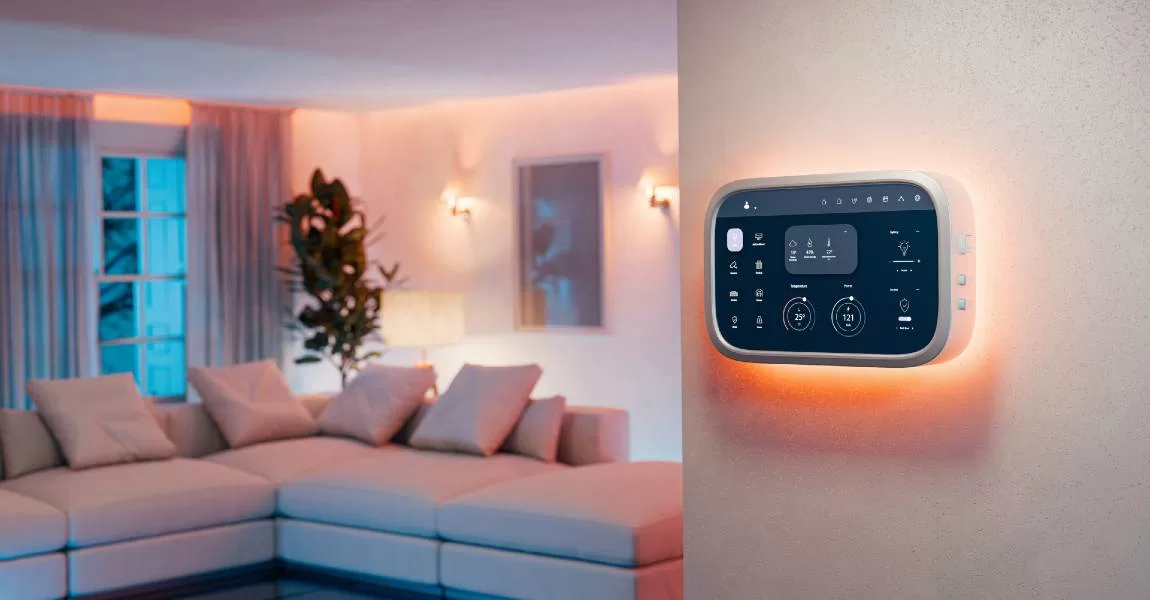
A furnace is the heart of any heating system, working tirelessly to keep homes comfortable during the coldest months. However, constant use, inefficient operation, and lack of maintenance can lead to frequent repair needs and reduced longevity. In today’s era of home automation, smart thermostats are revolutionizing the operation of heating systems and reducing the frequency of required maintenance. These intelligent devices not only enhance energy efficiency but also significantly influence the frequency of furnace repairs. We will explore how smart thermostat integration reshapes maintenance patterns, extends furnace life, and ensures consistent comfort while minimizing costly breakdowns.
How Smart Thermostats Reduce Furnace Repair Frequency
1. Optimized Furnace Operation and Reduced Strain
A primary reason furnaces need frequent repairs is overuse or irregular cycling. Traditional thermostats can cause short cycling or prolonged operation, which can strain components such as the blower motor and heat exchanger. Southland Heating & Air Conditioning recommends integrating smart thermostats to counter these issues, as they learn household patterns and adjust heating schedules accordingly. They analyze factors like time of day, room occupancy, and outdoor temperature to maintain optimal performance. By reducing unnecessary runtime, they decrease wear and tear on furnace components. Over time, this optimized operation results in fewer breakdowns and longer intervals between service calls. Homeowners benefit from smoother operation, consistent indoor temperatures, and reduced stress on their heating system, all of which contribute to a more reliable and durable furnace.
2. Early Detection of Irregularities and Preventive Maintenance
Smart thermostats can identify performance irregularities that might go unnoticed with traditional systems. Many models track furnace behavior, such as the time it takes to reach a desired temperature or the frequency of cycling on and off. When unusual patterns appear, these devices can alert homeowners or HVAC technicians before a small issue escalates into a major repair. This proactive feature allows for timely maintenance, such as replacing filters, cleaning burners, or recalibrating sensors. Additionally, many smart thermostats connect directly to mobile apps, allowing users to easily monitor system health from anywhere. The combination of real-time data and instant alerts helps prevent breakdowns that would otherwise lead to costly repairs, ultimately reducing the overall frequency of furnace malfunctions.
3. Improved Energy Efficiency and Balanced System Load
Energy efficiency plays a direct role in determining the longevity of furnaces and the frequency of repairs. Smart thermostats are designed to minimize wasted energy by adjusting heating output only when needed. For instance, when a home is unoccupied, the thermostat automatically lowers the temperature, reducing the furnace’s workload. Likewise, geofencing technology detects when occupants return, gradually reheating the home to prevent sudden strain on the system. This balanced operation ensures that the furnace operates at consistent levels, rather than constantly switching on and off, which can wear down internal components. By maintaining stable performance and reducing abrupt temperature changes, smart thermostats effectively lower the chances of overheating, pilot light failures, and other issues that often require repairs in traditional heating setups.
4. Consistent Airflow and Filter Management
One often-overlooked factor contributing to frequent furnace repairs is poor airflow caused by dirty filters or blocked vents. A furnace struggling with restricted airflow can overheat, leading to system shutdowns or damaged components. Smart thermostats can track the life of air filters and remind users when it’s time for replacement, ensuring that airflow remains consistent and efficient. Some advanced systems even measure pressure differentials to determine real-time filter performance. By keeping the system clean and well-ventilated, smart thermostats minimize operational stress, prevent overheating, and reduce the need for repairs. This consistent monitoring promotes optimal performance, extending the lifespan of the blower motor and other key components while maintaining steady indoor comfort throughout the heating season.
5. Data-Driven Insights and Maintenance Scheduling
One of the most significant advantages of integrating smart thermostats into a furnace system is access to data-driven insights. Over time, these devices collect valuable information about system performance, energy consumption, and runtime efficiency. Homeowners and HVAC professionals can analyze this data to identify patterns and schedule maintenance before issues arise. For instance, if the furnace shows signs of inefficiency or longer heat cycles, technicians can inspect it for clogged burners, faulty ignition systems, or weak airflow. This predictive approach transforms furnace care from reactive to proactive, drastically reducing the frequency of repairs. By combining analytics with timely service reminders, smart thermostats foster a culture of proactive maintenance, saving both time and money in the long run while keeping the heating system in peak condition.
6. Integration with Broader Smart Home Ecosystems
Smart thermostats are more than standalone devices—they integrate seamlessly with other smart home technologies to create a cohesive, efficient environment. When connected with sensors, humidifiers, or even weather data services, they can fine-tune furnace operation for maximum performance. For example, during mild weather, the thermostat may slightly reduce furnace activity to maintain comfort without overuse. Similarly, humidity sensors can signal adjustments that prevent the furnace from overworking in dry air conditions. This synergy ensures that the heating system operates in harmony with the broader home ecosystem. The reduced stress and balanced operation not only enhance energy savings but also minimize mechanical failures, contributing to fewer repair needs over time.
Integrating a smart thermostat with a furnace system goes beyond convenience—it fundamentally changes how heating systems are maintained and how often they require repairs. By optimizing performance, providing early warnings, and encouraging proactive maintenance, smart thermostats help extend the lifespan of furnaces and minimize the frequency of repairs. They create a balanced relationship between technology and comfort, ensuring homes stay warm without placing unnecessary strain on the system. As smart home integration continues to evolve, homeowners who adopt these technologies can look forward to fewer service calls, reduced maintenance costs, and a heating system that operates more efficiently year after year.


