



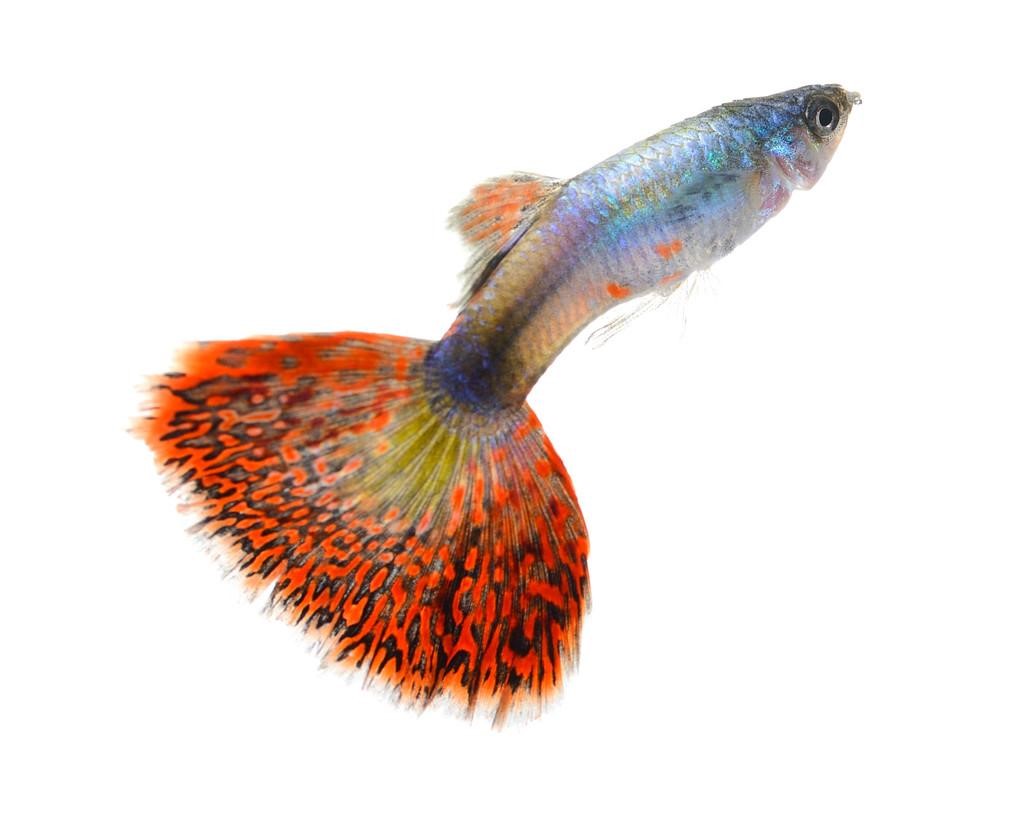
Betta fish, commonly known as Siamese fighting fish, are among the most popular freshwater species in home aquariums. Their popularity stems from their adaptability, manageable care requirements, and engaging behaviors. Over time, bettas have become a staple for both beginner and experienced aquarists seeking visually appealing and interactive fish.
While many bettas available in the aquarium trade are domesticated varieties, some of the most distinctive and resilient specimens originate from the wild. Wild betta fish represent the natural form of the species, displaying traits shaped by evolution rather than selective breeding. These fish are often considered premium due to their rarity, genetic diversity, and authentic appearance.
Wild bettas attract attention not through exaggerated features but through balanced coloration, natural fin structure, and adaptive behavior. Their appeal lies in their authenticity and connection to natural ecosystems.
Unveiling the World of Wild Betta Fish
Wild betta fish differ significantly from commonly sold domestic bettas. Rather than being bred for long fins or intense coloration, wild bettas retain physical traits optimized for survival. Their bodies are typically more streamlined, and their fins are proportionate, allowing efficient movement in shallow or slow-moving waters.
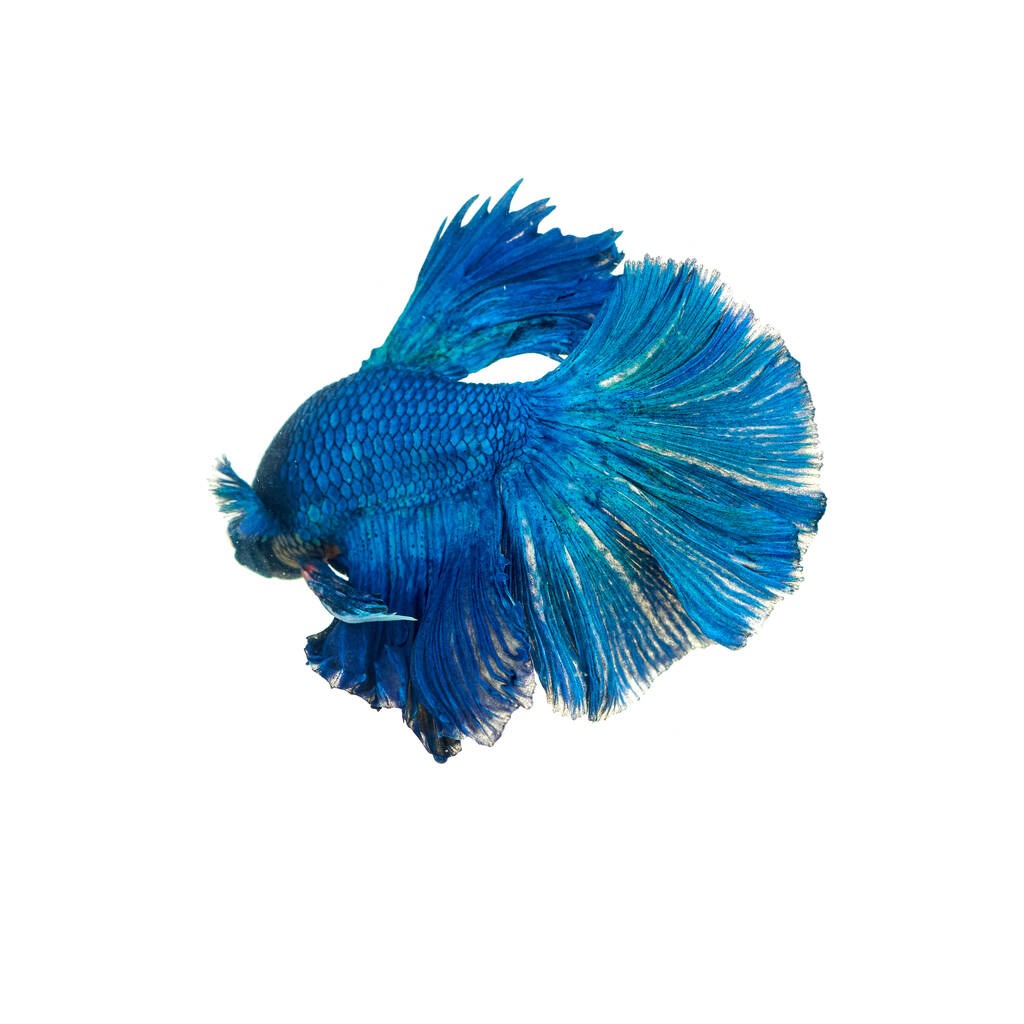
These fish originate from diverse freshwater environments across Southeast Asia, including rice paddies, peat swamps, marshes, and forest streams. Such habitats often have warm temperatures, dense vegetation, and low oxygen levels. To survive in these conditions, wild bettas developed specialized adaptations, including the labyrinth organ, which allows them to breathe air directly from the surface.
Behaviorally, wild bettas display natural territorial instincts and complex reproductive behaviors. Males may guard territories or nesting areas, while courtship rituals vary by species. These behaviors are closely tied to environmental conditions, making habitat replication important in aquarium care.
Rare Varieties of Wild Betta Fish
Wild betta species are valued for their diversity. Unlike standardized domestic strains, each species exhibits unique combinations of color, fin shape, and size. Some species display metallic sheens, while others show subtle striping or contrasting fin edges. These variations are the result of genetic adaptation rather than artificial selection.
Fin shapes among wild bettas are functional rather than decorative. Shorter, stronger fins provide agility and reduce vulnerability to damage. Sizes also vary, with some species remaining compact while others grow larger depending on habitat and food availability.
Rarity plays a major role in the appeal of wild bettas. Many species are found only in specific regions and are available in limited numbers. Their restricted distribution and specialized habitat needs make them exclusive within the aquarium trade. This exclusivity contributes to their reputation as premium fish among collectors and conservation-focused aquarists.
Premium Quality and Ethical Sourcing
Premium quality in wild betta fish is determined by health, vitality, and genetic integrity. Healthy specimens display clear eyes, intact fins, consistent coloration, and responsive behavior. They adapt well to new environments and show natural activity patterns.
Selection processes for premium wild bettas typically involve careful observation of physical condition and behavior. Fish showing signs of stress, injury, or illness are excluded to ensure long-term success for keepers.
Ethical and sustainable sourcing is equally important. Responsible suppliers work with trusted breeders or regulated collection programs that prioritize habitat protection and species preservation. These practices help reduce pressure on wild populations while maintaining genetic diversity.
Aquarists seeking responsibly sourced specimens often explore reputable collections offering wild Betta for sale to ensure quality, transparency, and sustainability.
Adding Wild Betta Fish to an Aquarium Collection
Wild betta fish are available in a range of species, each offering distinct visual and behavioral traits. Their suitability depends on tank size, layout, and water conditions. Many wild bettas prefer planted aquariums with gentle filtration and ample hiding spaces that mimic their natural habitats.
When selecting a wild betta, aquarists should look for steady movement, balanced posture, and consistent coloration. Observing how a fish responds to its surroundings can provide insight into its overall health.
Care requirements focus on stability rather than complexity. Maintaining clean water, appropriate temperature, and a calm environment is essential. A varied diet consisting of live or frozen foods supports natural feeding behaviors and overall health. Minimizing stress through proper tank setup and compatible tank mates further enhances longevity.
Conclusion
Wild betta fish offer a unique opportunity to experience bettas in their most natural form. Their balanced appearance, adaptive behavior, and ecological significance set them apart from heavily bred varieties. For aquarists seeking authenticity, resilience, and a deeper connection to aquatic biodiversity, wild bettas provide lasting value.
Read More: The Ultimate Guide to Dog Shoes: Protect Paws with Breathable, Non‑Slip & Stylish Boots


